The complete perspective
Why the name matters.
Porsche's authority comes from refining unconventional ideas until they become reference points. The rear-engine 911 survived because the company treated every weakness as an engineering problem, while racing provided an unusually direct laboratory for road-car development.
How it evolved
The 356 established the lightweight sports-car formula. The 911 became a family rather than a single model, joined by transaxle cars, the 959 technological flagship, Boxster and Cayman mid-engine models, the Carrera GT and the hybrid 918 Spyder.
Steering and chassis communication, motorsport depth, engineering continuity, usability and an ecosystem that supports long ownership.
Endless variants, option complexity and market speculation can obscure the fundamental differences between cars intended for road, track or collection.
Landmark automobiles
The models that built the reputation
In the GOAT Canon
Read the defining cars.
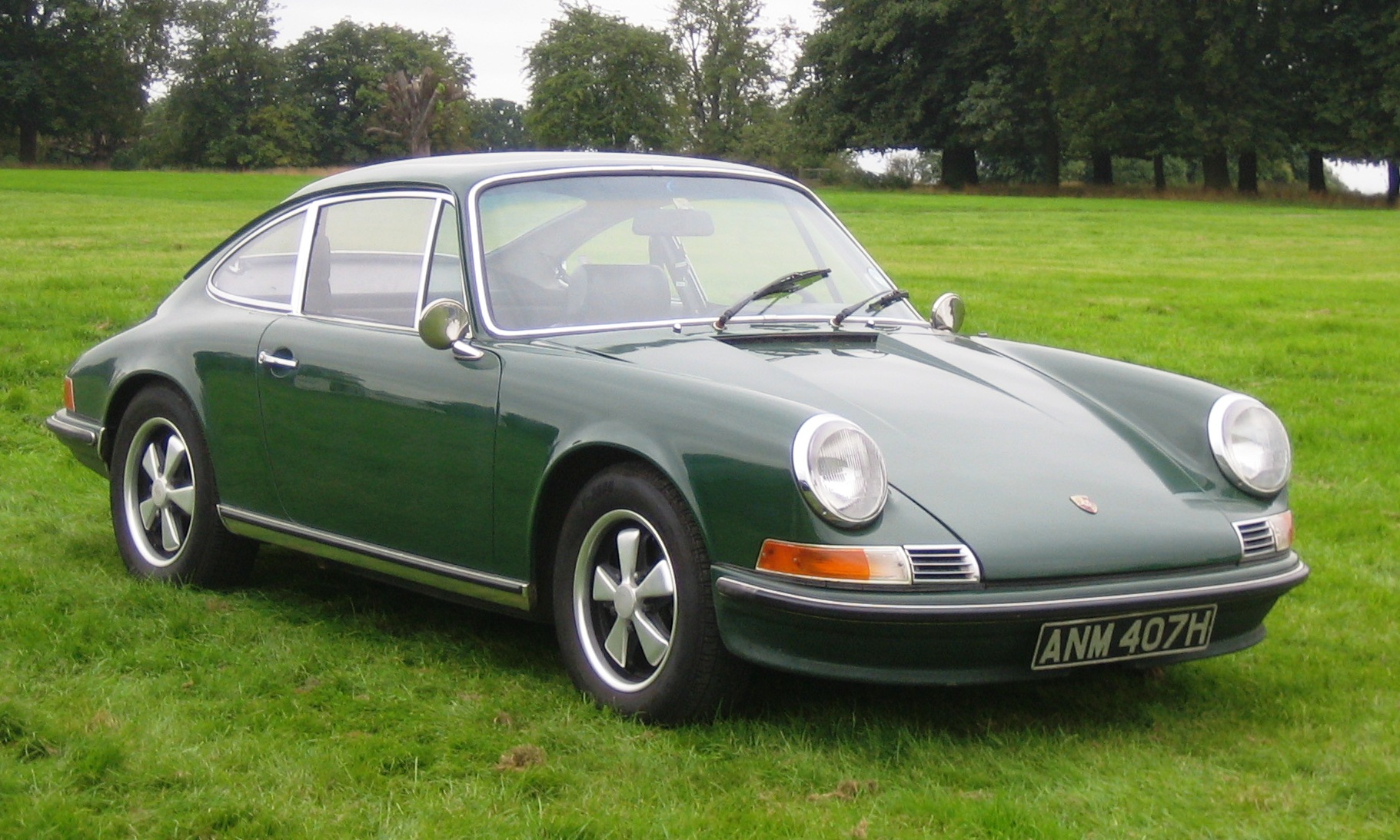 Postwar Legends
Porsche 911
An idea built to evolve
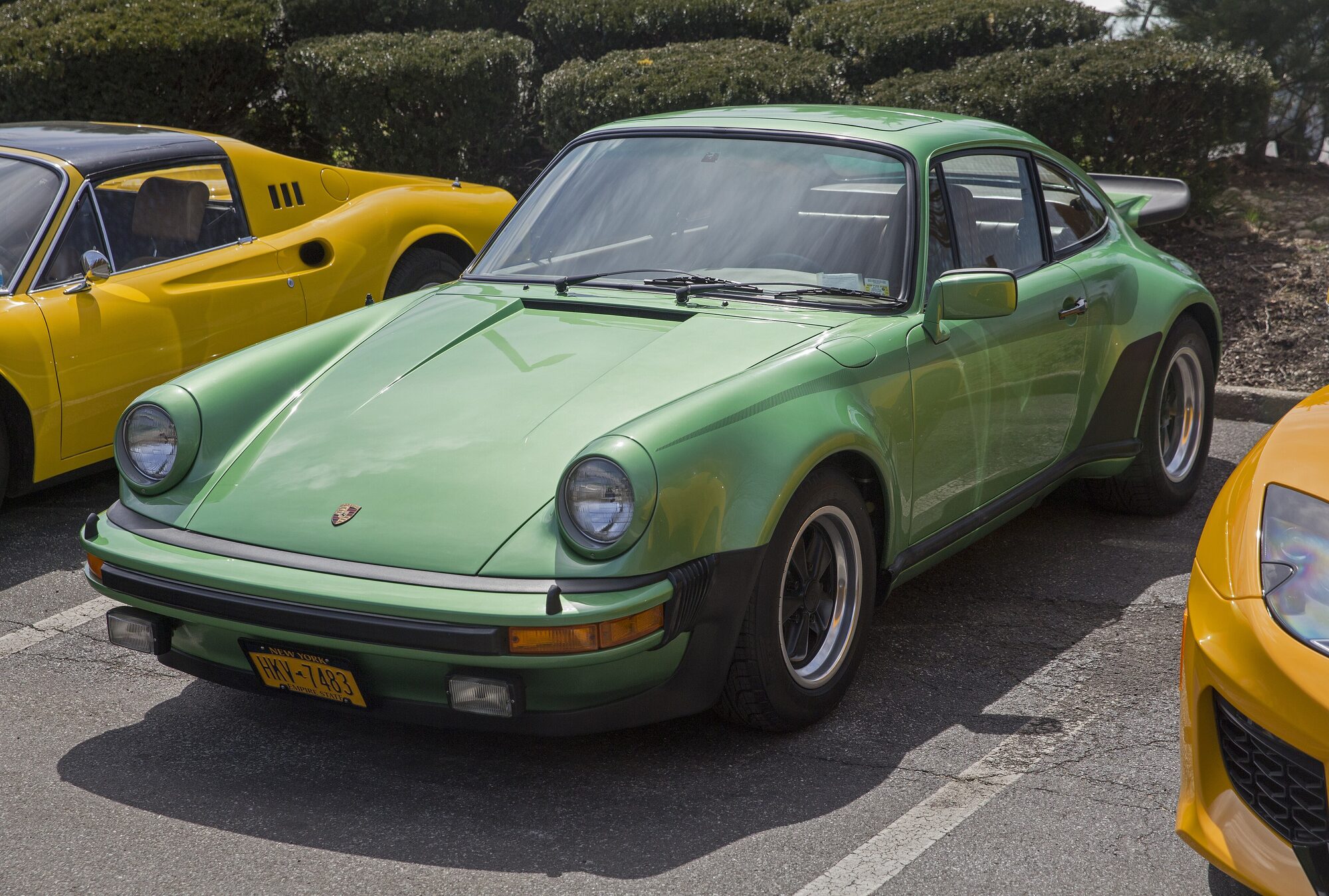 Supercar Revolution
Porsche 930 Turbo
Turbocharging with consequence
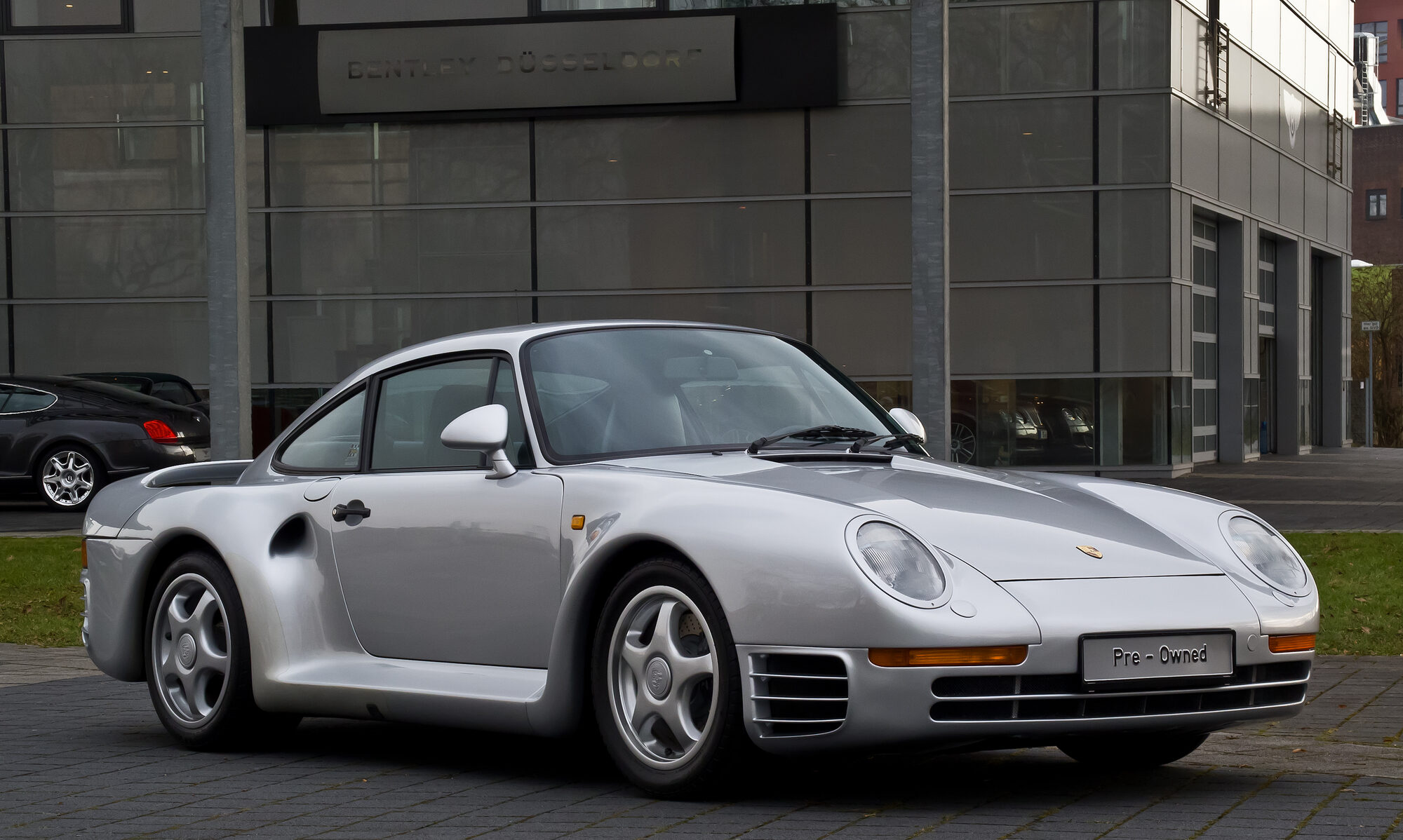 Supercar Revolution
Porsche 959
The technological preview
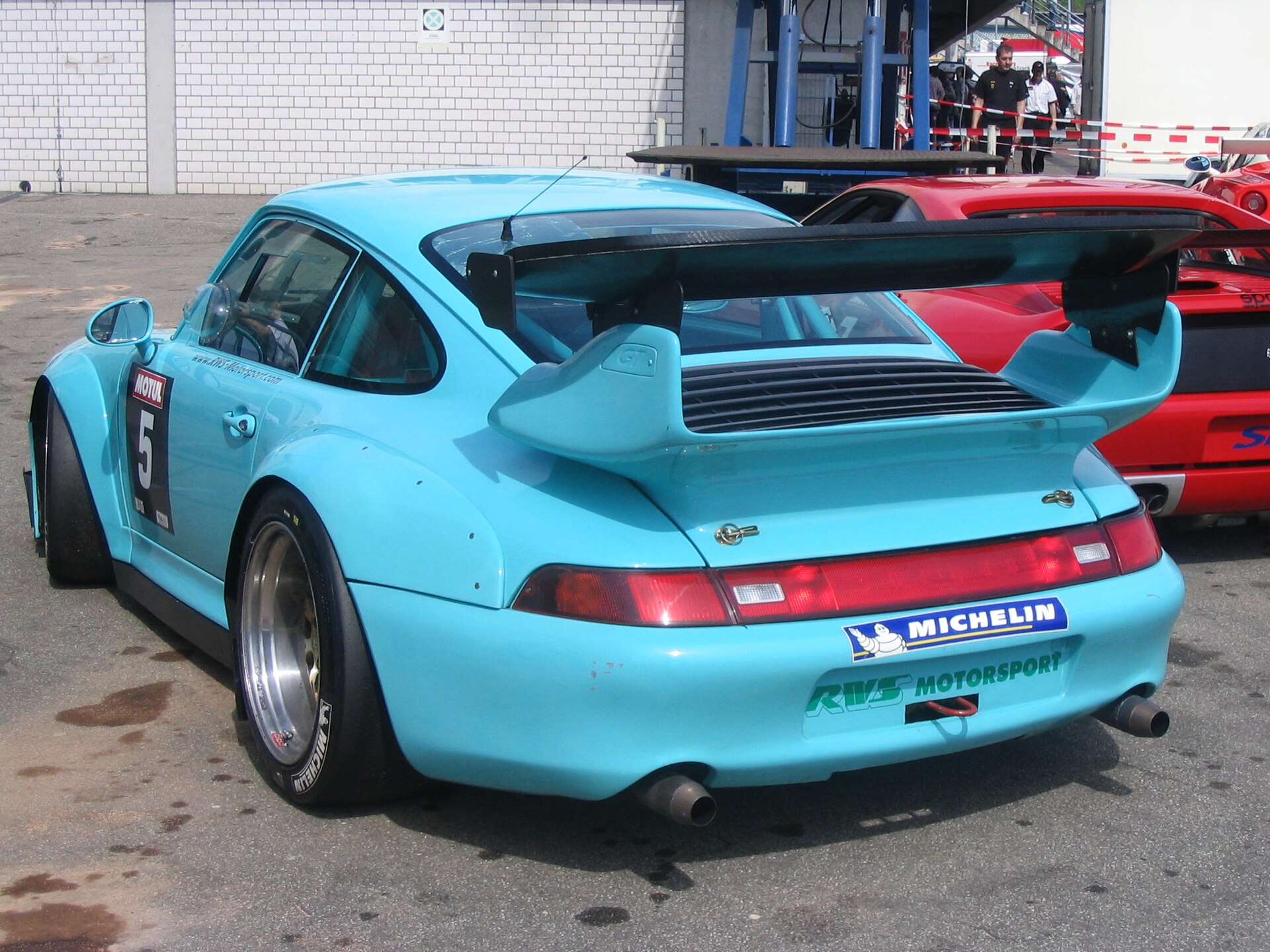 Analog Zenith
Porsche 993 GT2
Air-cooled aggression
 Digital Performance
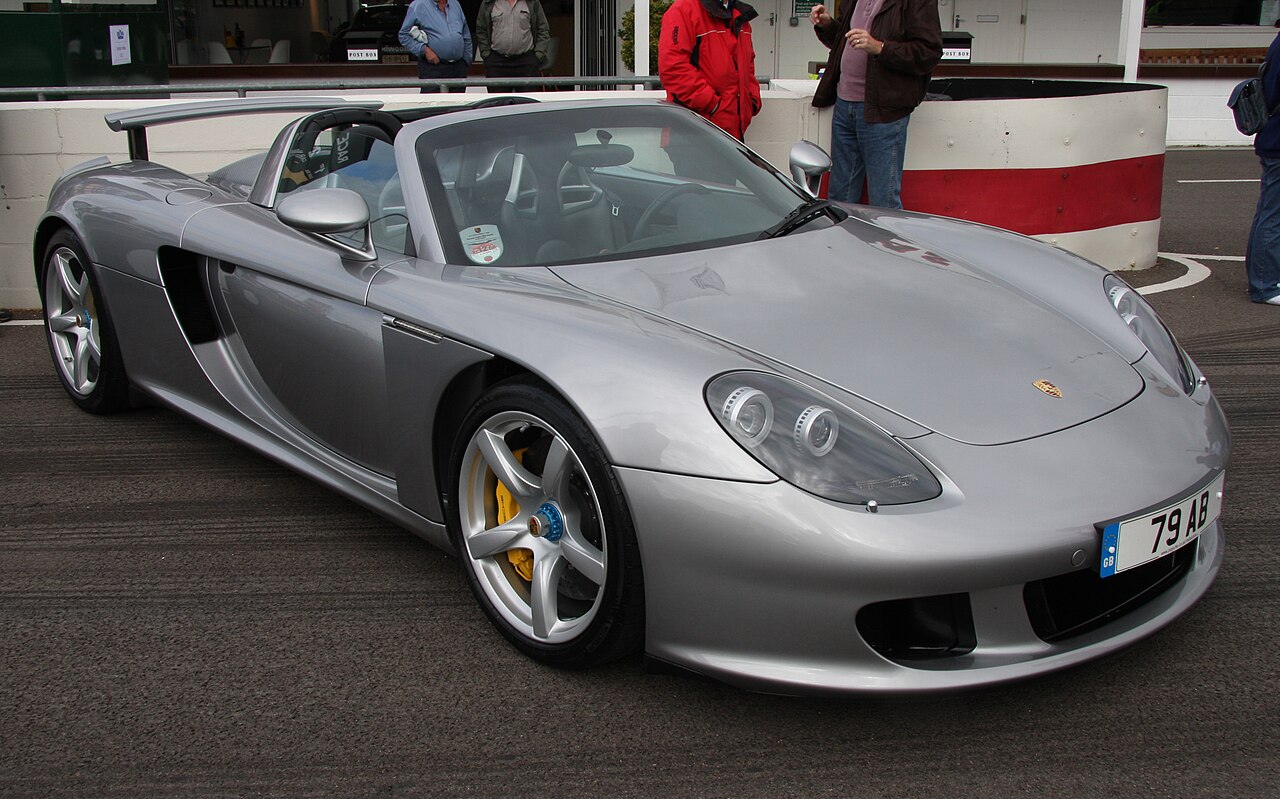
Porsche Carrera GT
A racing V10 set free
 The New Frontier
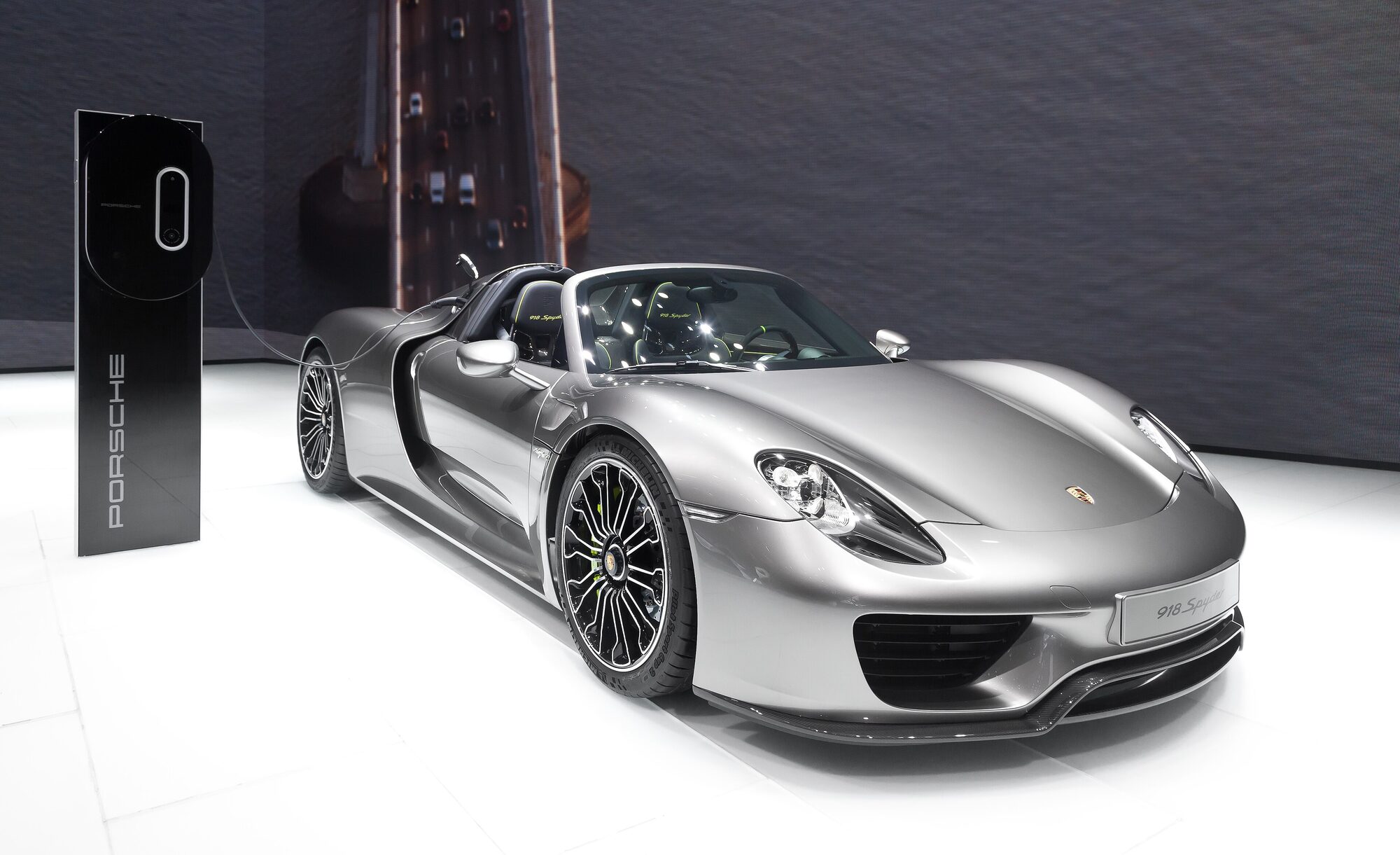
Porsche 918 Spyder
Hybrid performance integrated
 The New Frontier
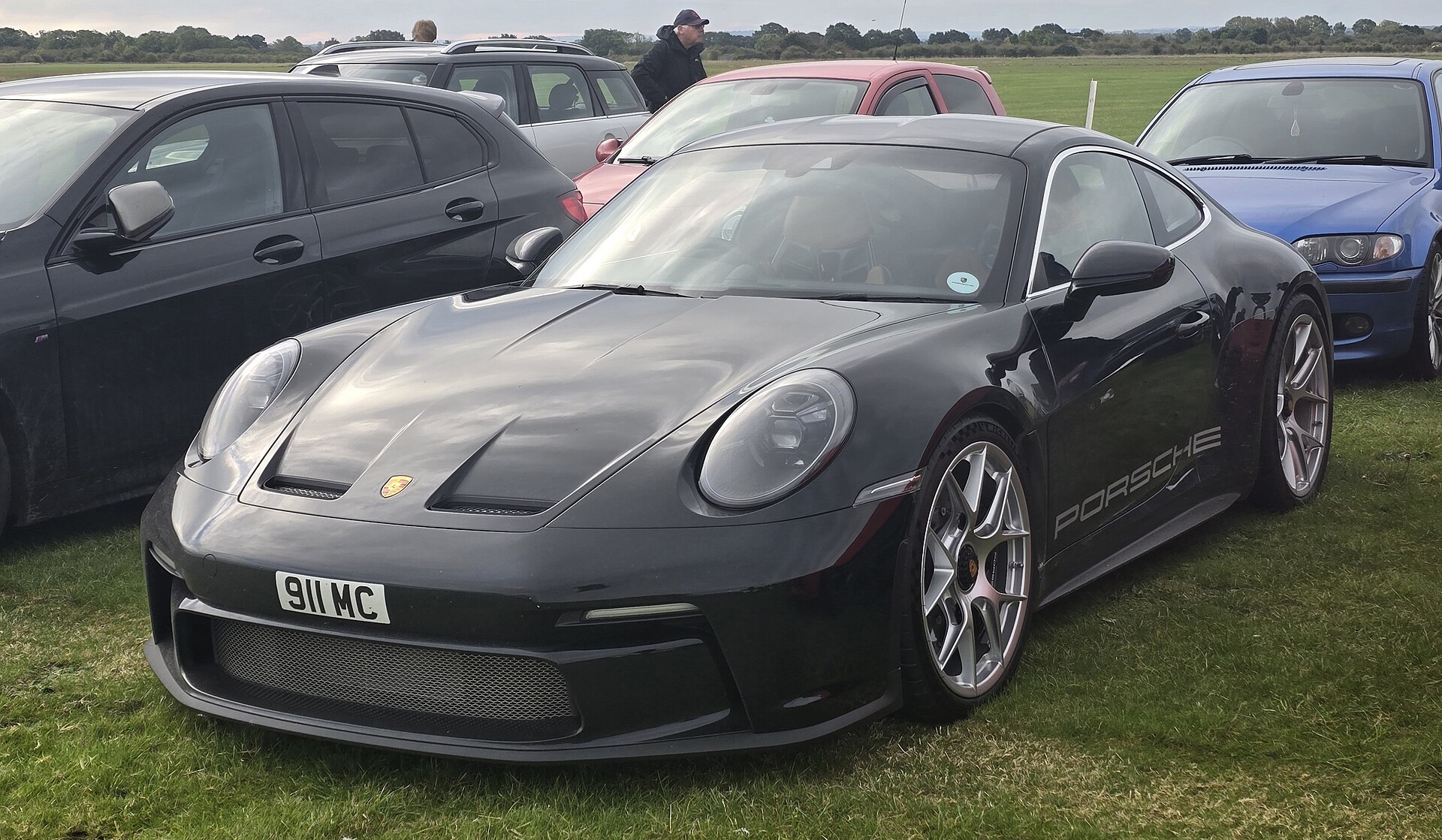
Porsche 911 S/T
Tactility in the digital age
Further reading
In-depth features
Current IntelligenceOne-Off Spectacle and an Enthusiast Signal from Porsche
Read the complete feature →Model HistoryThe Air-Cooled 911: One Idea, Four Generations
Read the complete feature →The community view
What is your verdict on the Porsche?
Vote, then add the perspective you think belongs in the record.
Published reader perspectives
The conversation is open. Approved reader perspectives will appear here.