1886–1918
The Motorcar Is Born
Invention becomes transportation, competition and freedom.
The whole story
The first automobile era was not a straight line from one inventor to a finished product. Steam, electricity and gasoline competed while hundreds of engineers experimented with ignition, cooling, steering, braking and transmission systems. The winning idea had to become reliable enough for a journey and understandable enough for ordinary owners.
What moved the automobile forward
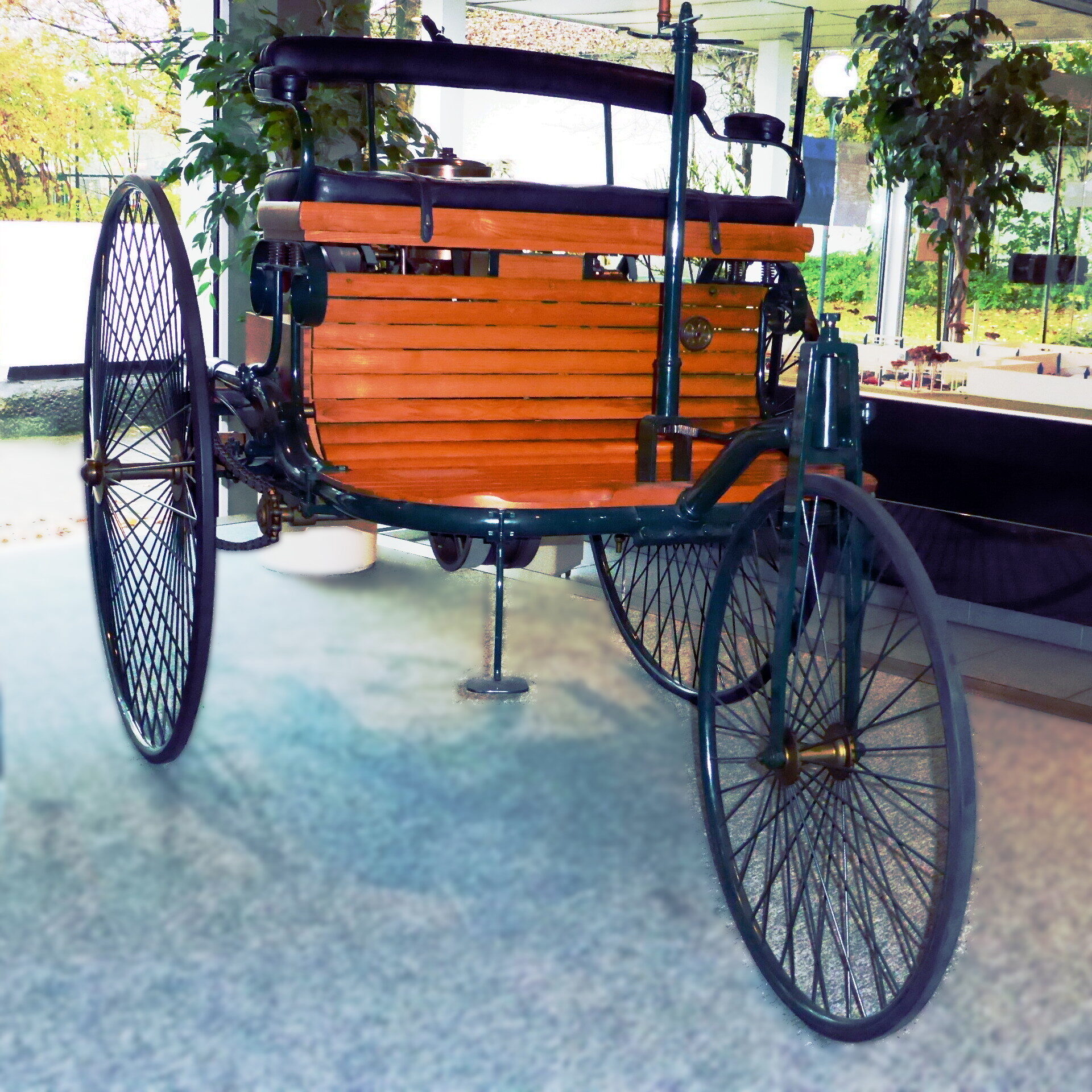
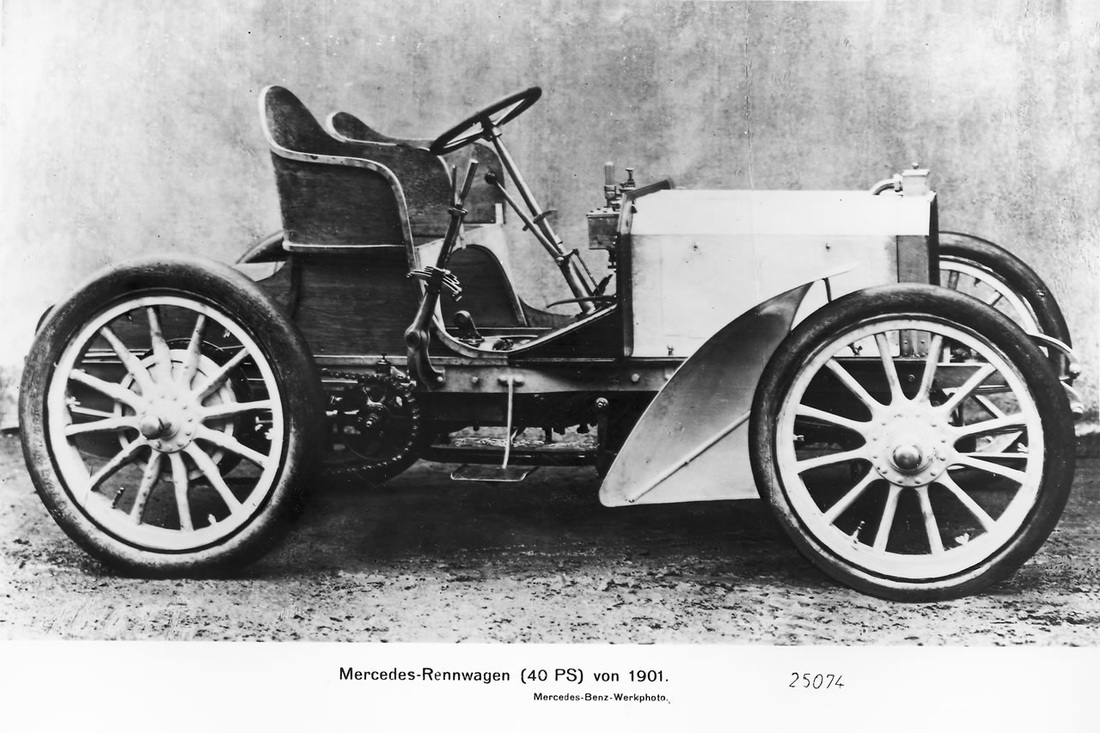
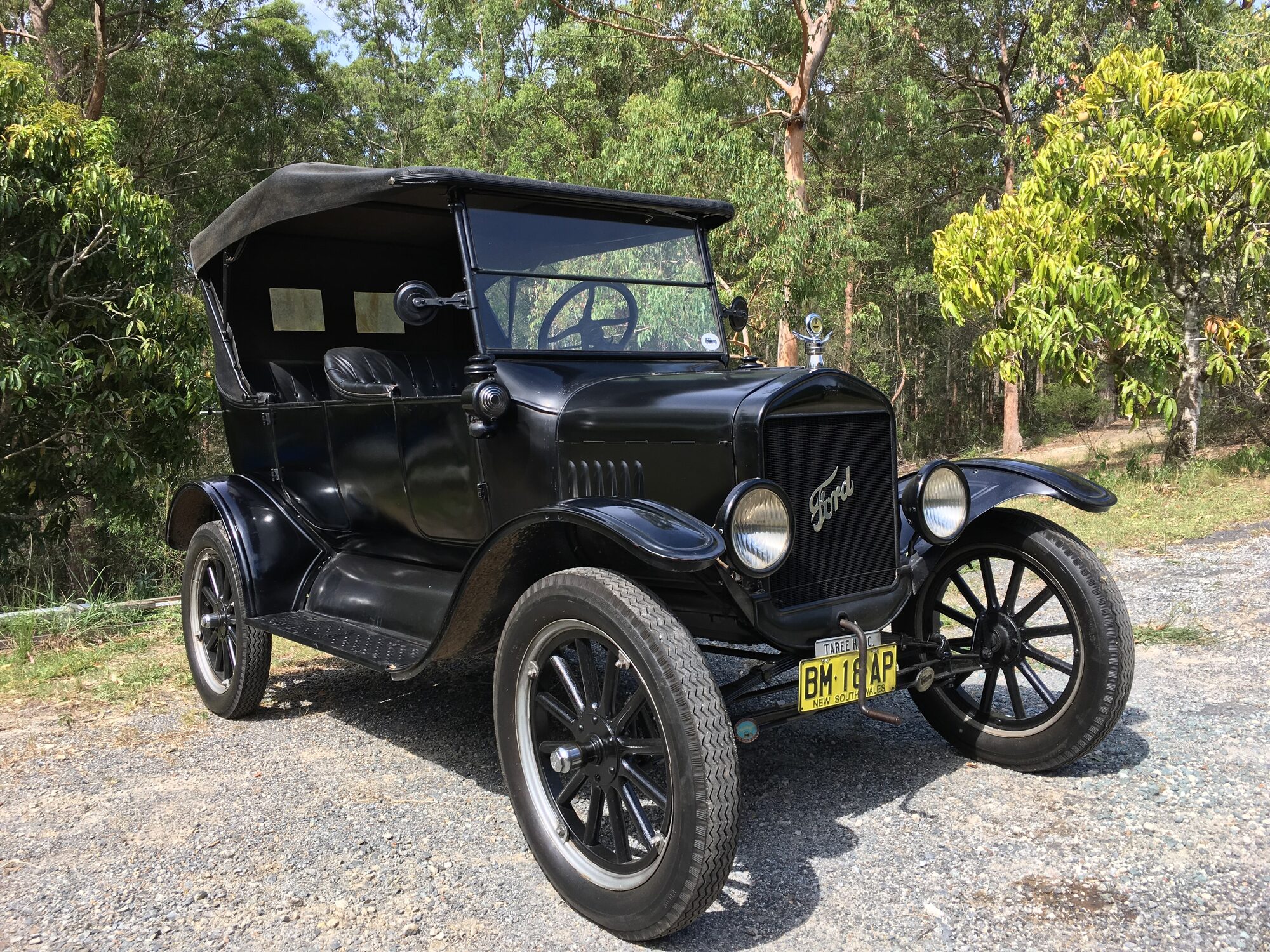
Benz created a purpose-built gasoline vehicle; Daimler and Maybach developed fast-running engines; Panhard established a front-engine layout; pneumatic tires changed comfort and control; the Mercedes 35 hp lowered the chassis into recognizably modern proportions. Ford then transformed the problem from invention to access by applying production scale to the Model T.
The reality behind the romance
Early motoring was physically demanding and uncertain. Roads were poor, controls varied, fuel was difficult to obtain and repairs belonged to the journey. These limitations explain why reliability trials, long-distance demonstrations and standardized controls mattered as much as speed.
What the era left behind
By the First World War, the automobile had become transportation, industry, sport and military infrastructure. The essential architecture was established, but its social consequences were only beginning.
Defining advances
Purpose-built chassis
Pneumatic tires
Modern control layout
Moving assembly line
Landmark automobiles
Touch any car to read its story.
 Pioneers
 Pioneers
 Pioneers
 Pioneers
The community view
What is your verdict on the The Motorcar Is Born?
Vote, then add the perspective you think belongs in the record.
Published reader perspectives
The conversation is open. Approved reader perspectives will appear here.