1946–1969
The Golden Age of the Sports Car
Light weight, mechanical purity and unforgettable form.
The whole story
Postwar industry, improving roads and rising prosperity created an audience hungry for speed and freedom. European manufacturers turned wartime knowledge, aviation methods and racing development into sports cars and grand tourers, while American power and mass production created another performance language.
What moved the automobile forward
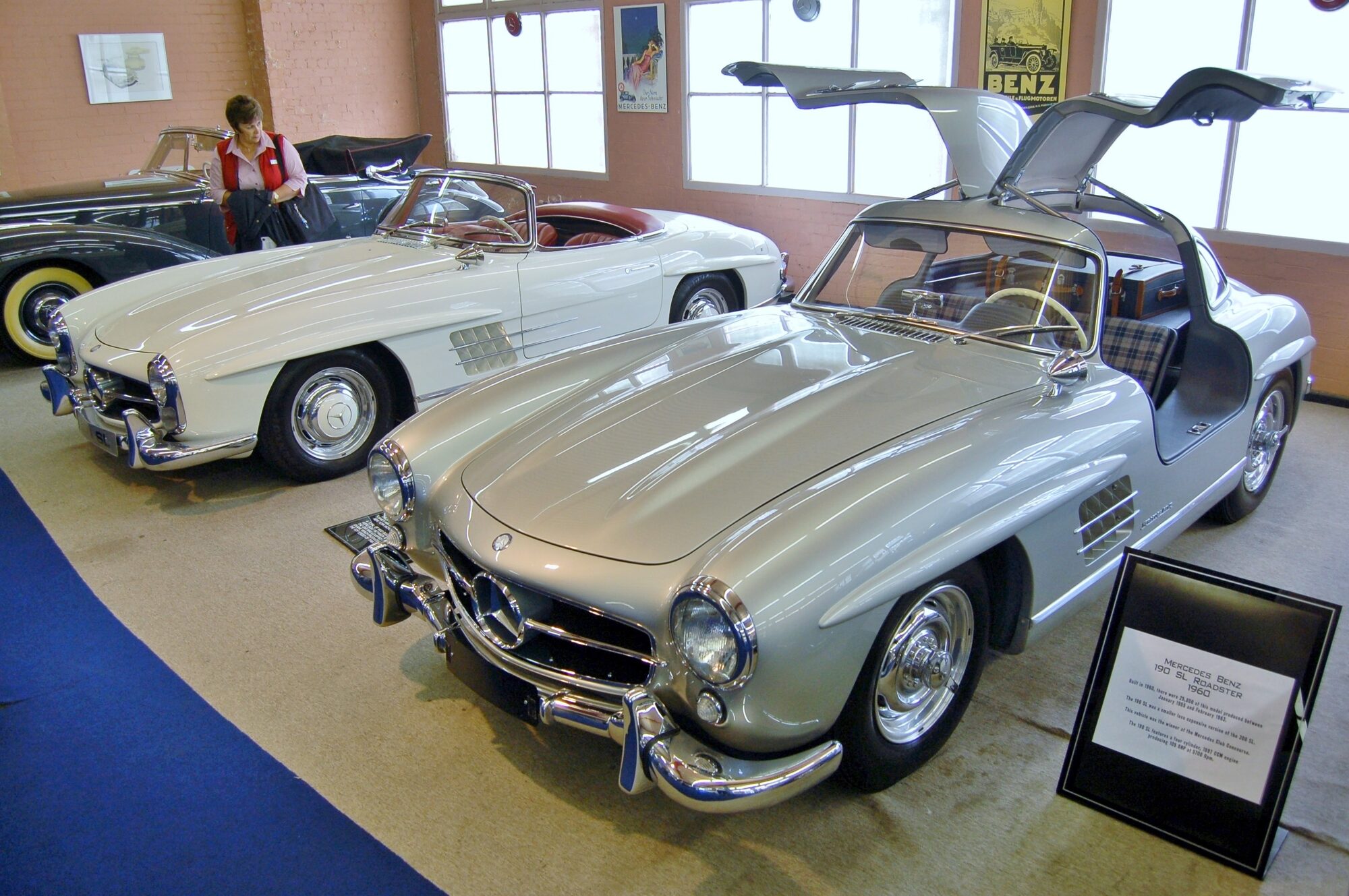
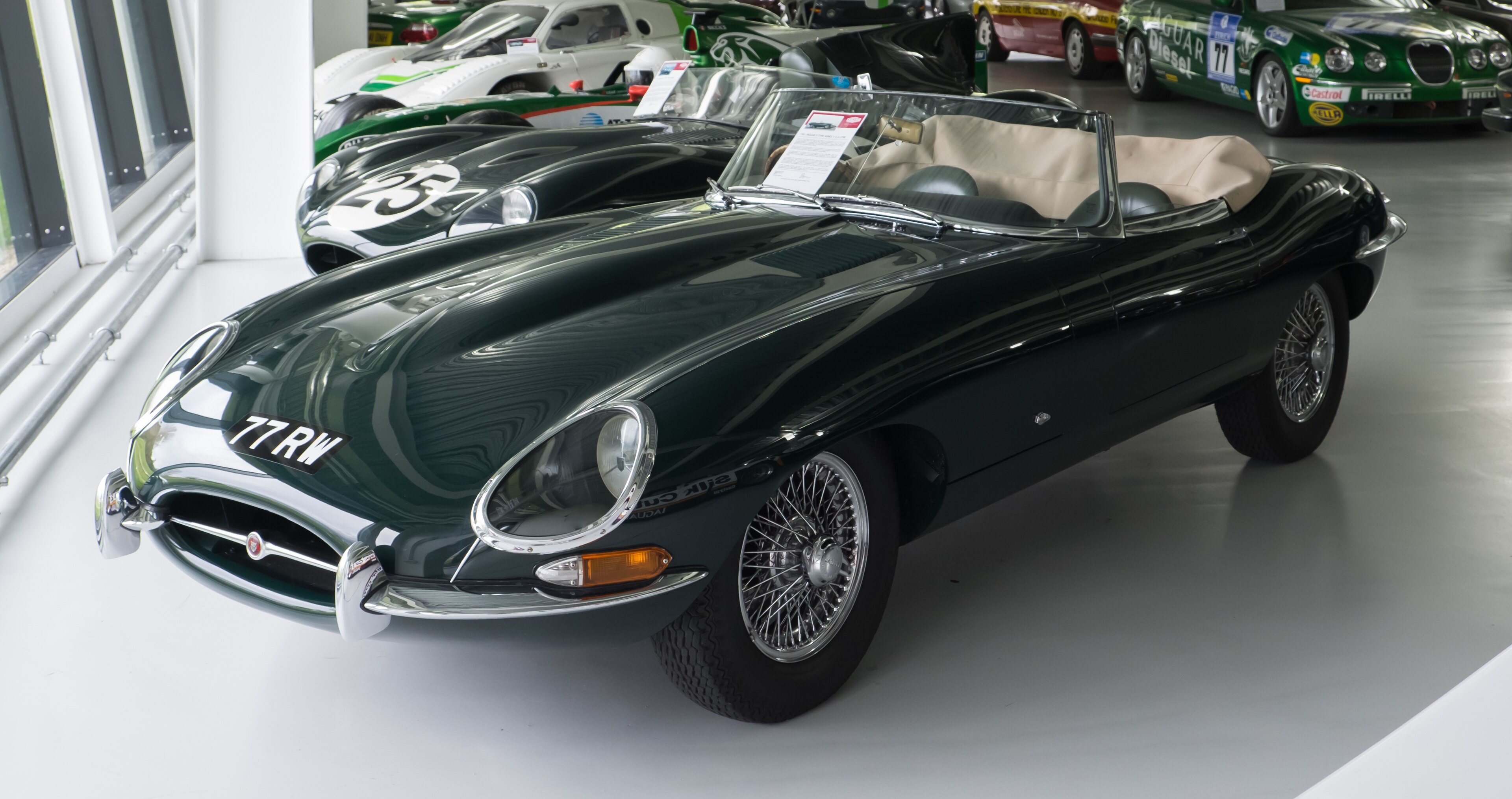
Monocoque structures reduced weight, disc brakes improved repeated stopping, fuel injection sharpened power delivery and independent suspension became increasingly sophisticated. The 300 SL brought a competition spaceframe to the road, Jaguar translated Le Mans lessons into the E-Type, and the mid-engine layout moved from racing toward exotic production cars.
The reality behind the romance
Romance can hide narrow tires, modest crash protection, heat, noise and demanding maintenance. Production methods varied, corrosion protection was limited and period competition often modified cars beyond their delivery specification. A beautiful restoration is not automatically an accurate one.
What the era left behind
The era produced many of the shapes and model lines enthusiasts still treat as definitive: the 911, Mustang, Corvette Sting Ray, E-Type, Miura and Ferrari's great front-engine V12 GTs.
Defining advances
Disc brakes
Fuel injection
Monocoque construction
Mid-engine road cars
Landmark automobiles
Touch any car to read its story.
 Postwar Legends
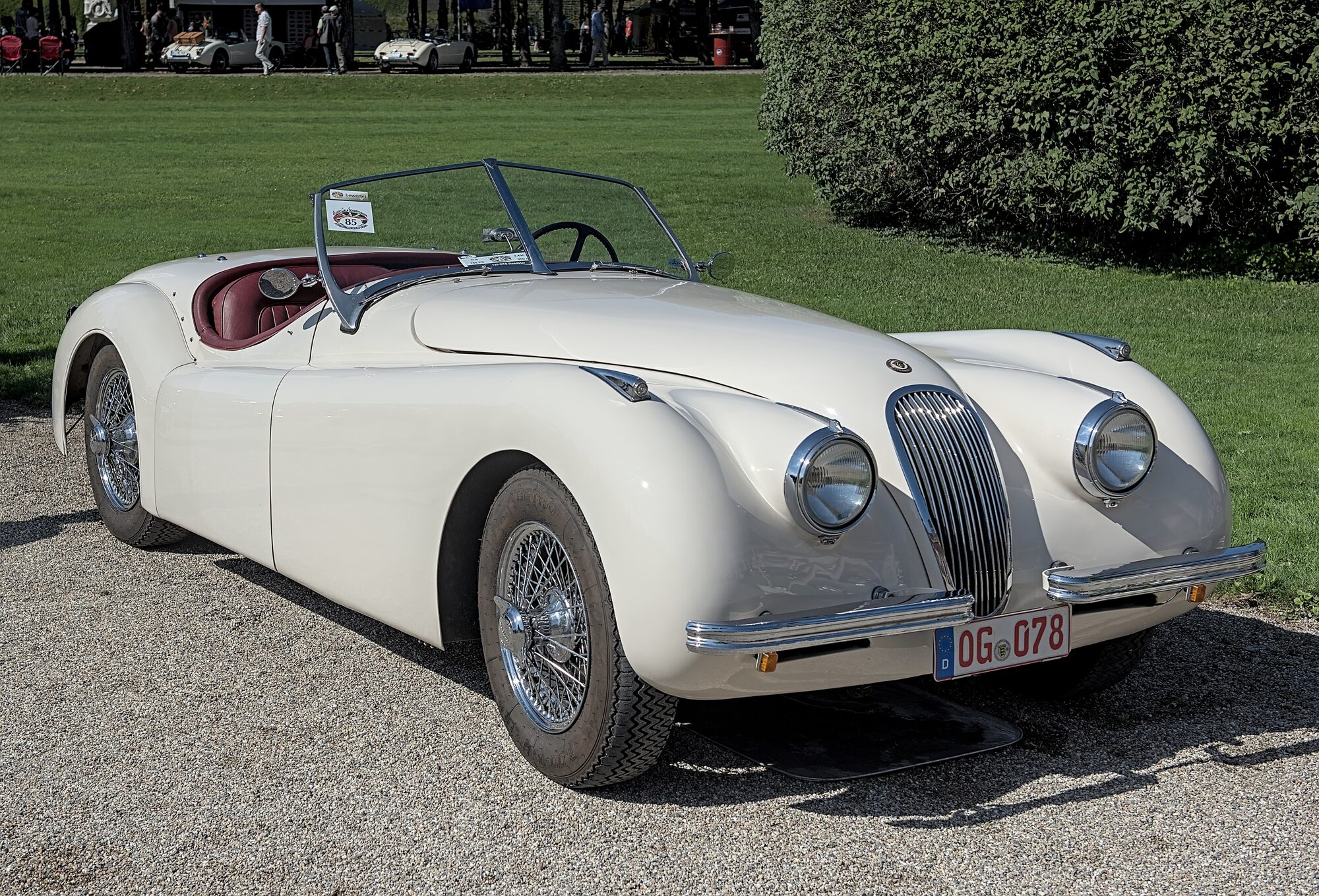
Jaguar XK120
The postwar speed sensation
 Postwar Legends
Mercedes-Benz 300 SL
Racing technology for the road
 Postwar Legends
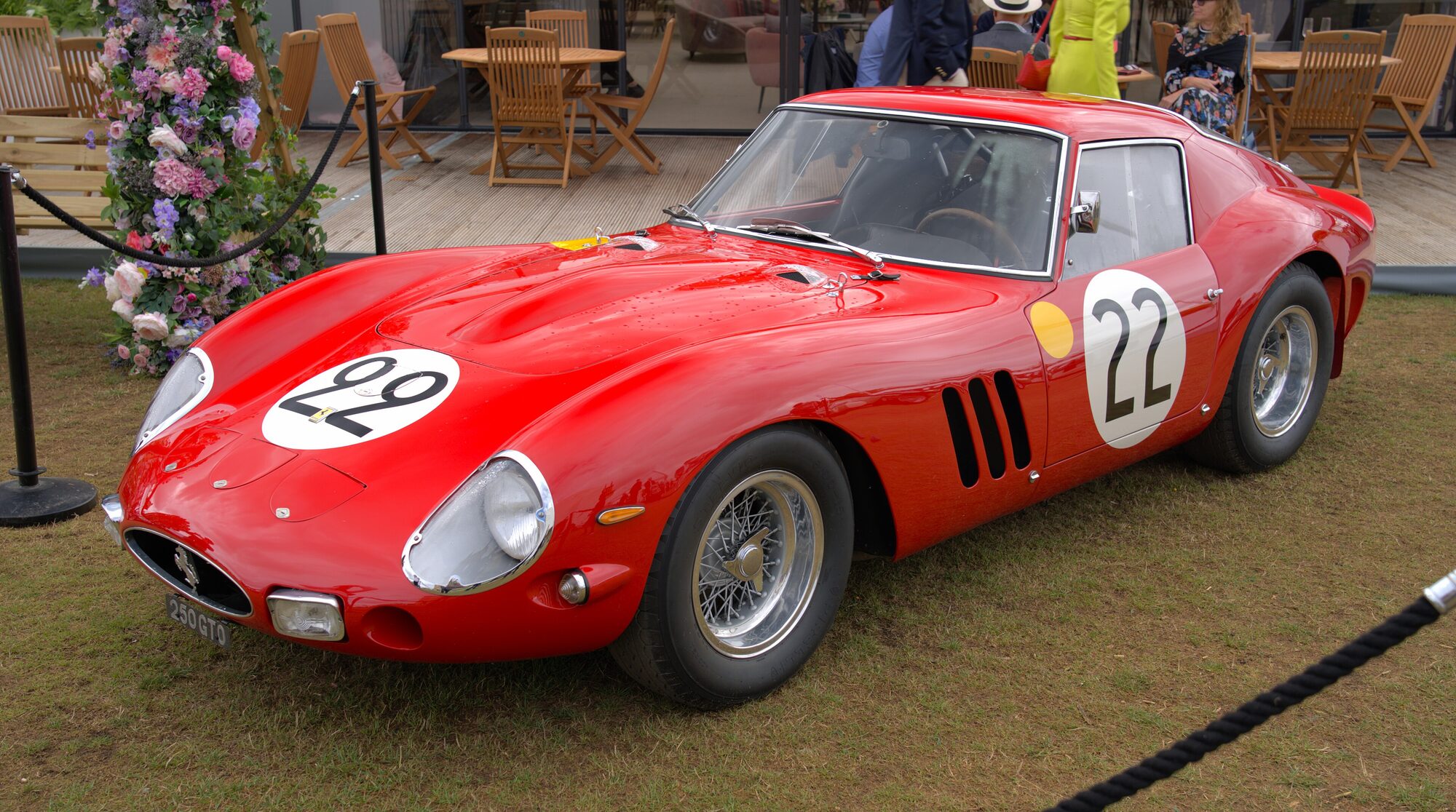
Ferrari 250 GTO
The defining GT racer
 Postwar Legends
Jaguar E-Type
Performance made beautiful
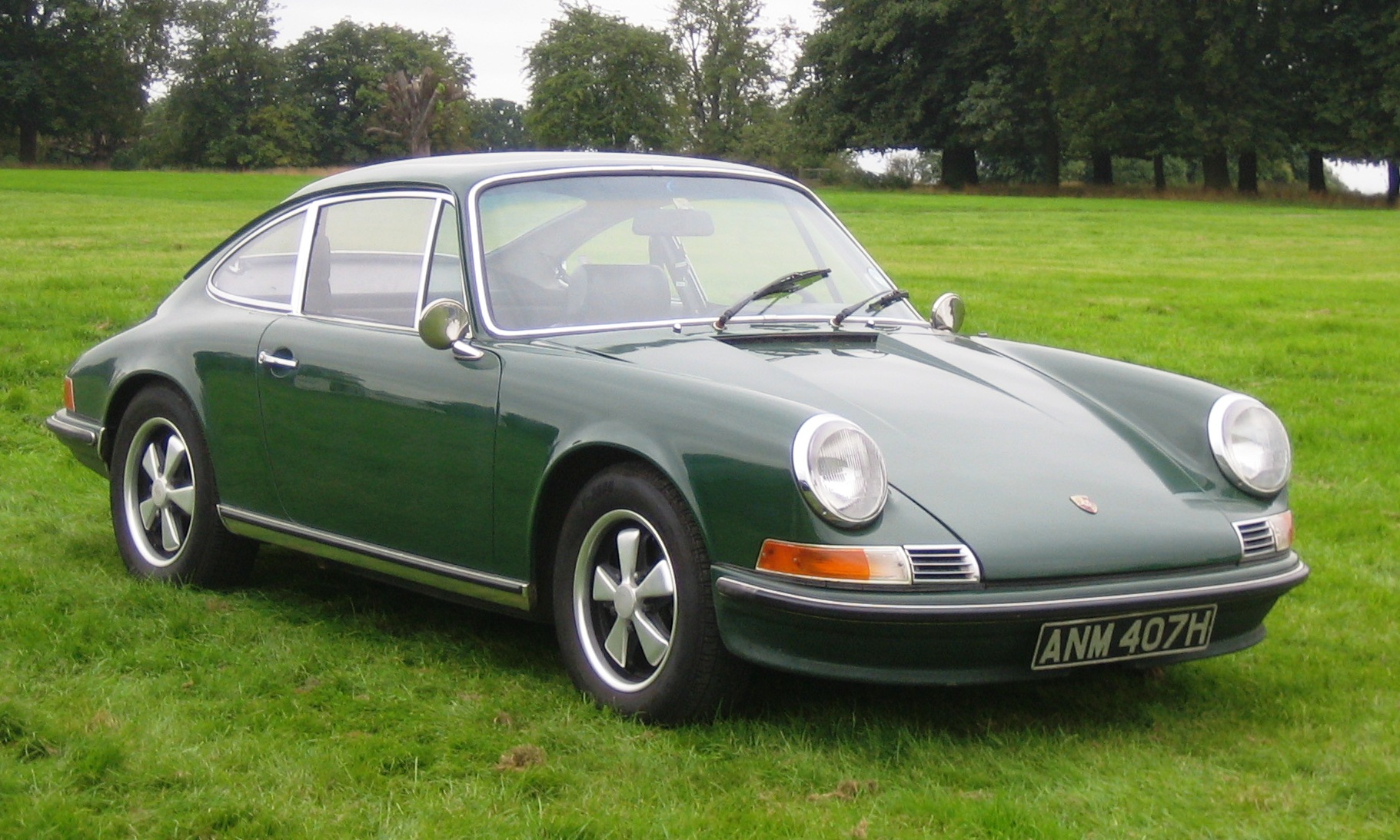 Postwar Legends
Porsche 911
An idea built to evolve
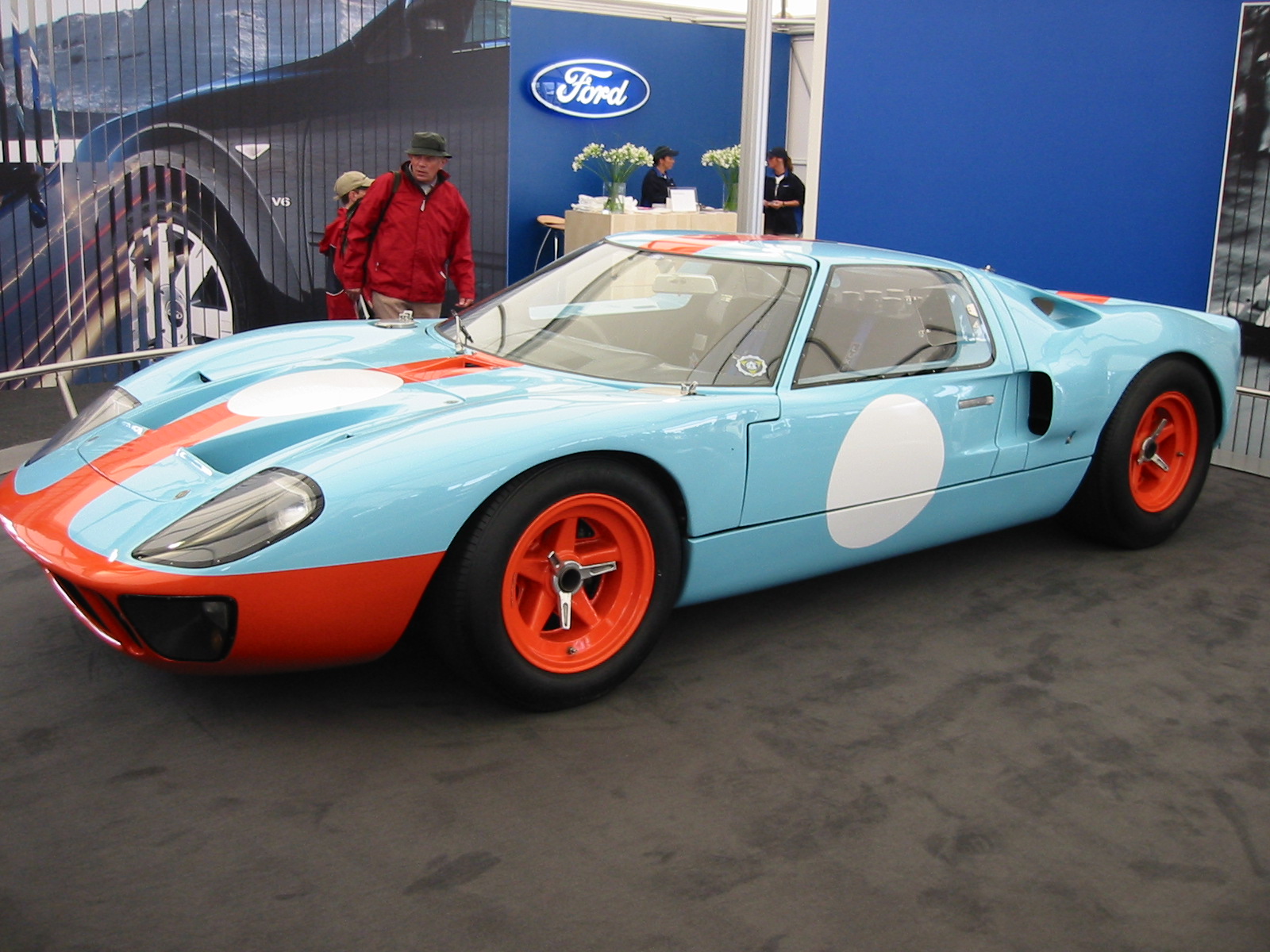 Postwar Legends
Ford GT40
America conquers Le Mans
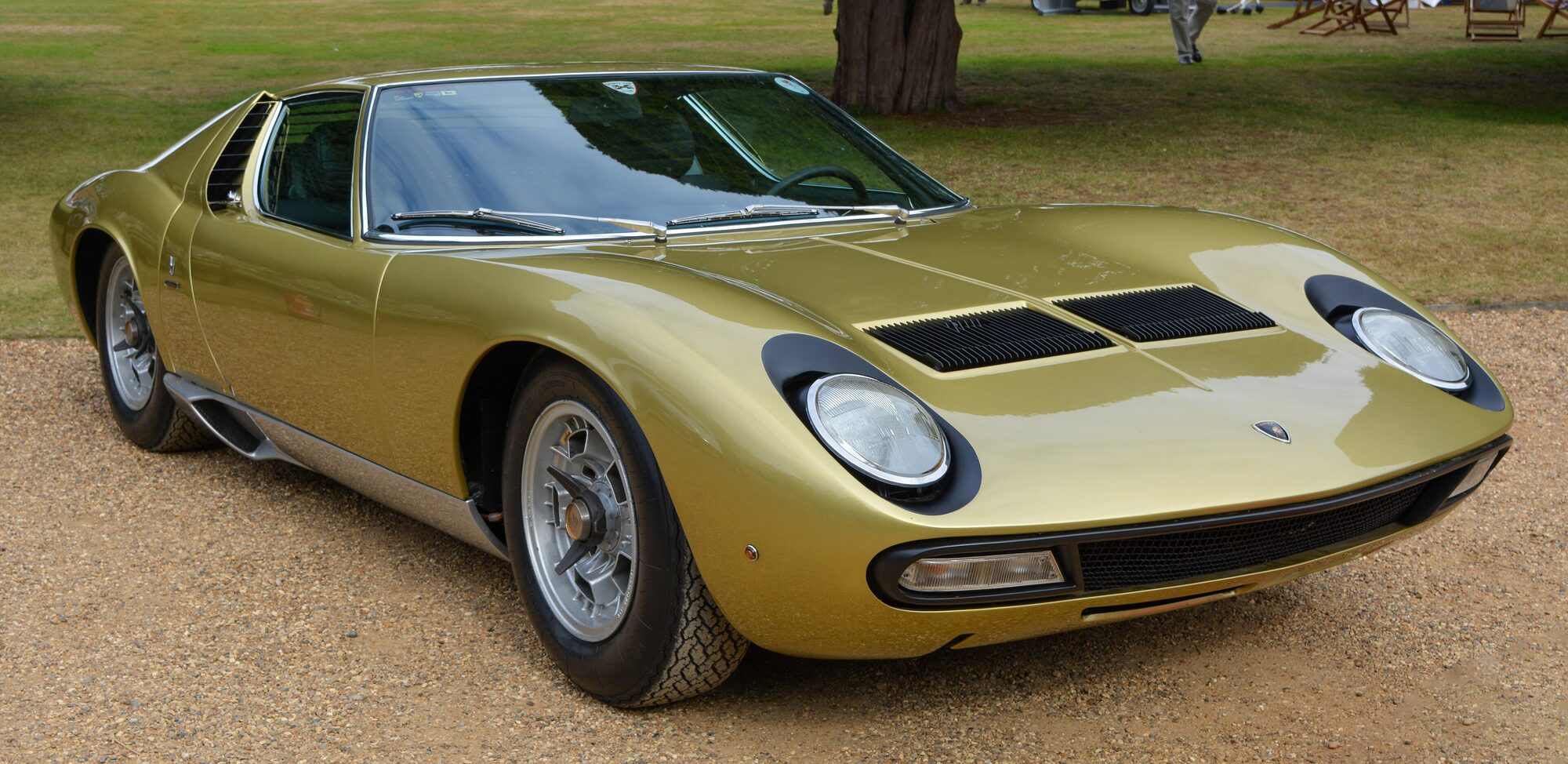 Postwar Legends
Lamborghini Miura
The supercar takes shape
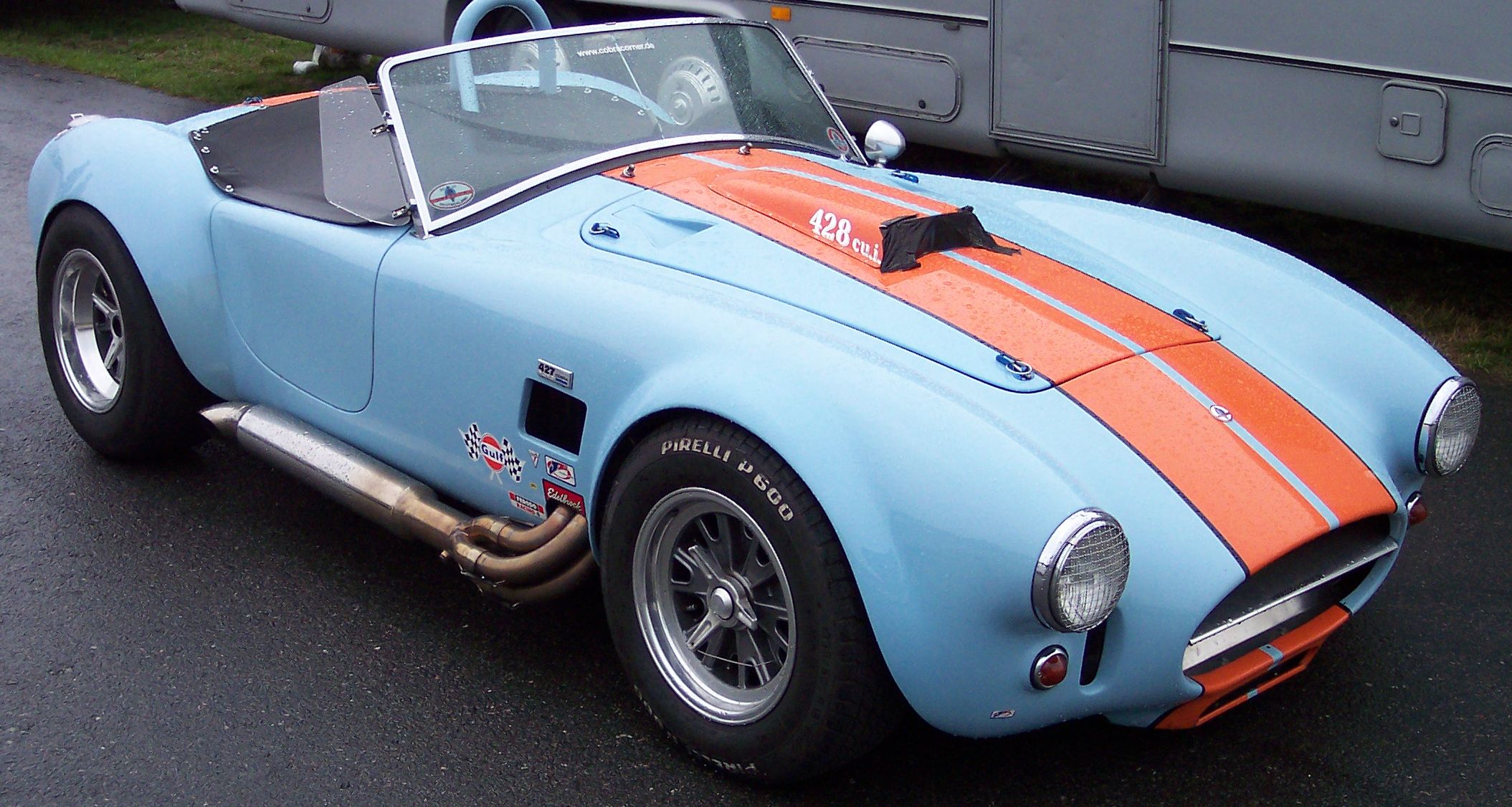 Postwar Legends
Shelby Cobra 427
Light chassis, enormous engine
The community view
What is your verdict on the The Golden Age of the Sports Car?
Vote, then add the perspective you think belongs in the record.
Published reader perspectives
The conversation is open. Approved reader perspectives will appear here.