1919–1939
Coachwork, Speed & Art Deco
The automobile becomes an object of beauty and national ambition.
The whole story
Between the wars, the automobile split into two powerful ideas. Mass production made practical cars available to millions, while wealthy clients commissioned individual bodies from coachbuilders. Racing became a national showcase, and streamlined form connected automobiles to aviation, rail and the machine-age imagination.
What moved the automobile forward
Supercharging, overhead camshafts, hydraulic brakes, synchromesh gearboxes and independent suspension advanced rapidly. Bugatti pursued lightness and integration; Bentley used torque and durability; Alfa Romeo combined adaptable racing chassis with Italian coachwork; Duesenberg and Mercedes-Benz turned engineering scale into prestige.
The reality behind the romance
The beauty of the era existed beside economic depression, dangerous competition and political upheaval. Coachbuilt cars could be magnificent but heavy, temperamental and created for a tiny elite. Surviving examples often changed bodies, engines and identities, making present-day provenance unusually complex.
What the era left behind
This era established the automobile as collectible design. It also left a permanent vocabulary—long hoods, sweeping fenders, exposed exhausts and individually authored coachwork—that modern limited-series cars still reference.
Defining advances
Supercharging
Hydraulic braking
Aerodynamic bodies
Independent coachwork
Landmark automobiles
Touch any car to read its story.
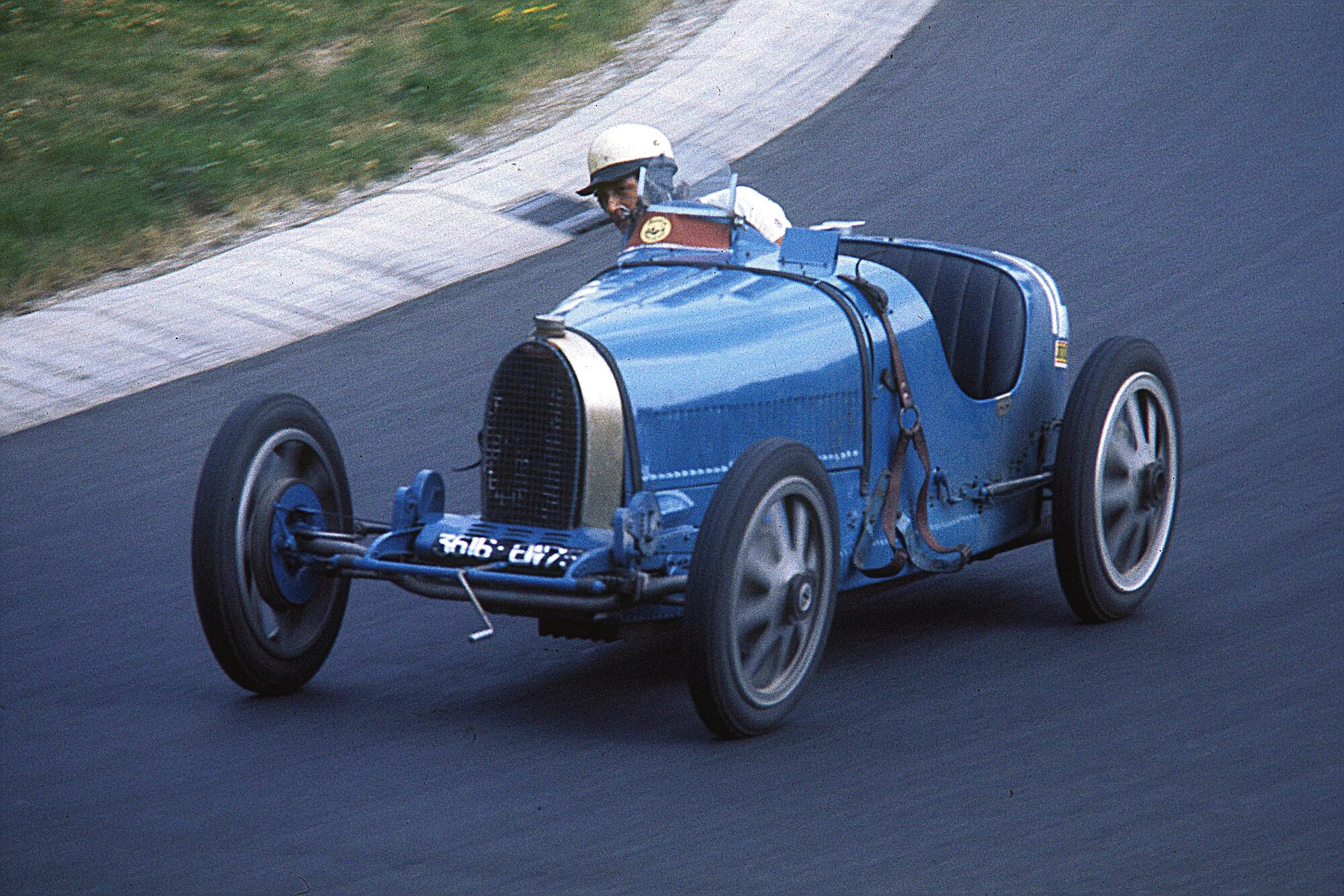 The Coachbuilt Age
Bugatti Type 35
Beauty engineered to race
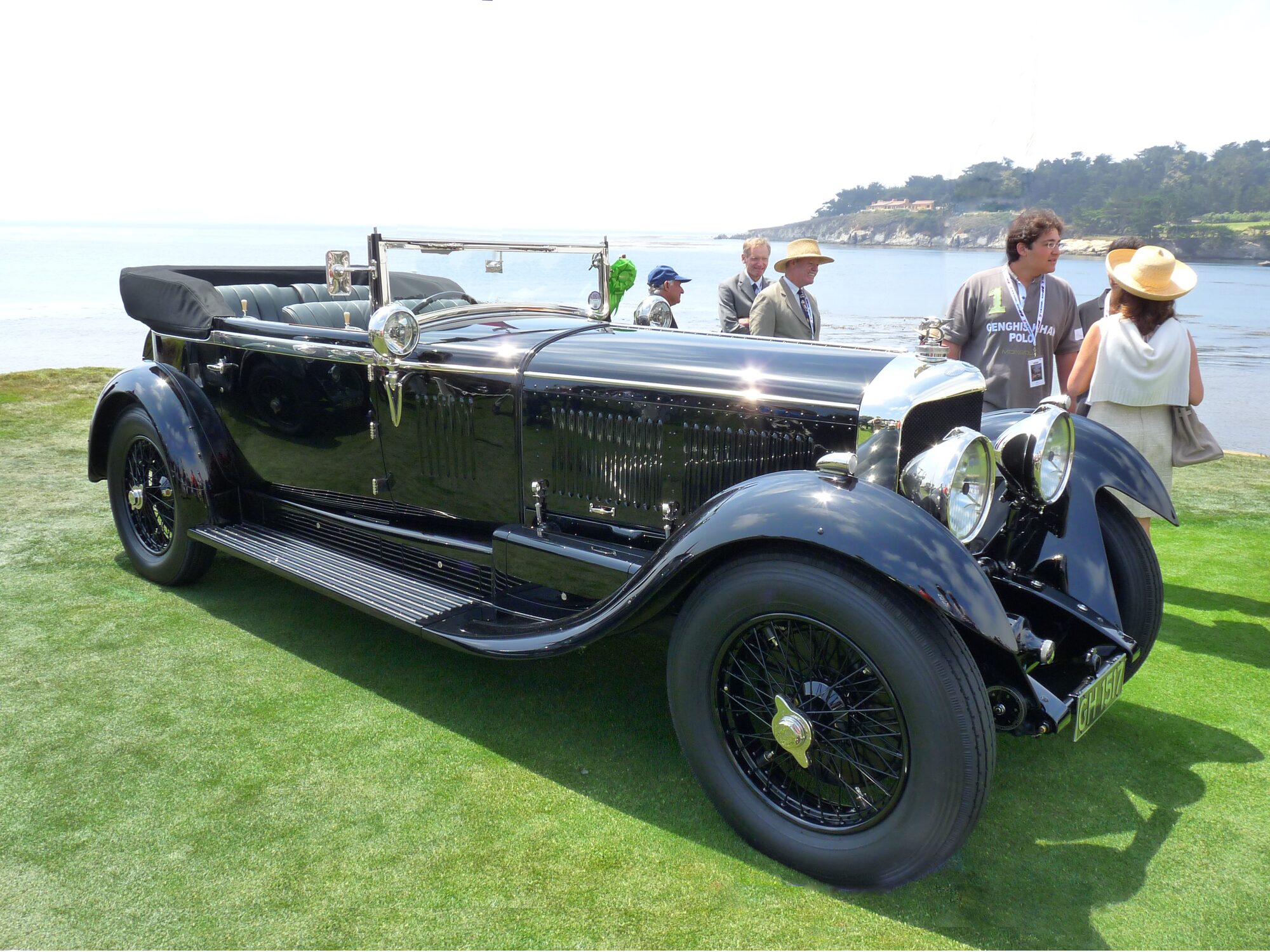 The Coachbuilt Age
Bentley Speed Six
Endurance and immense torque
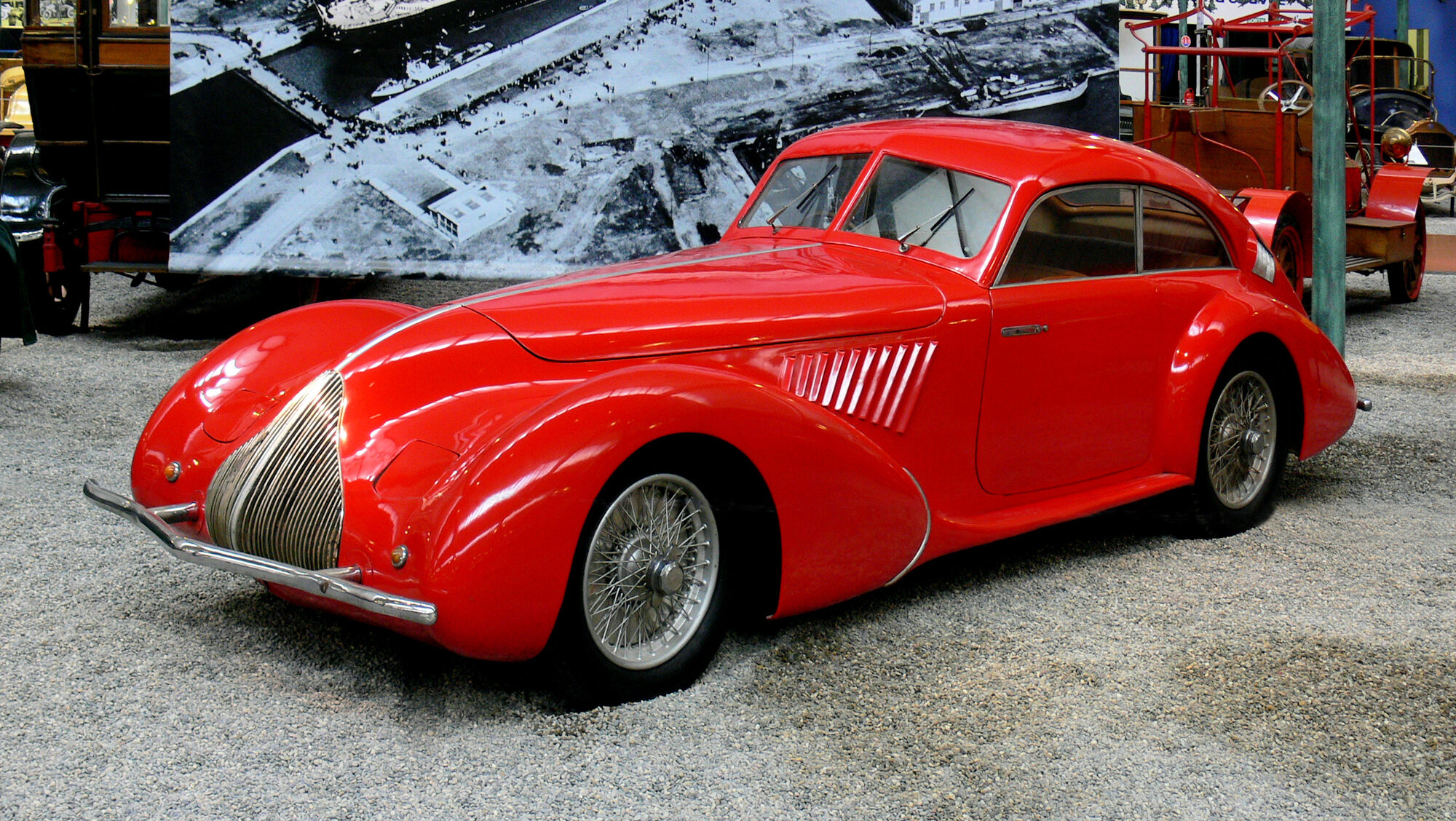 The Coachbuilt Age
Alfa Romeo 8C 2300
Competition in many forms
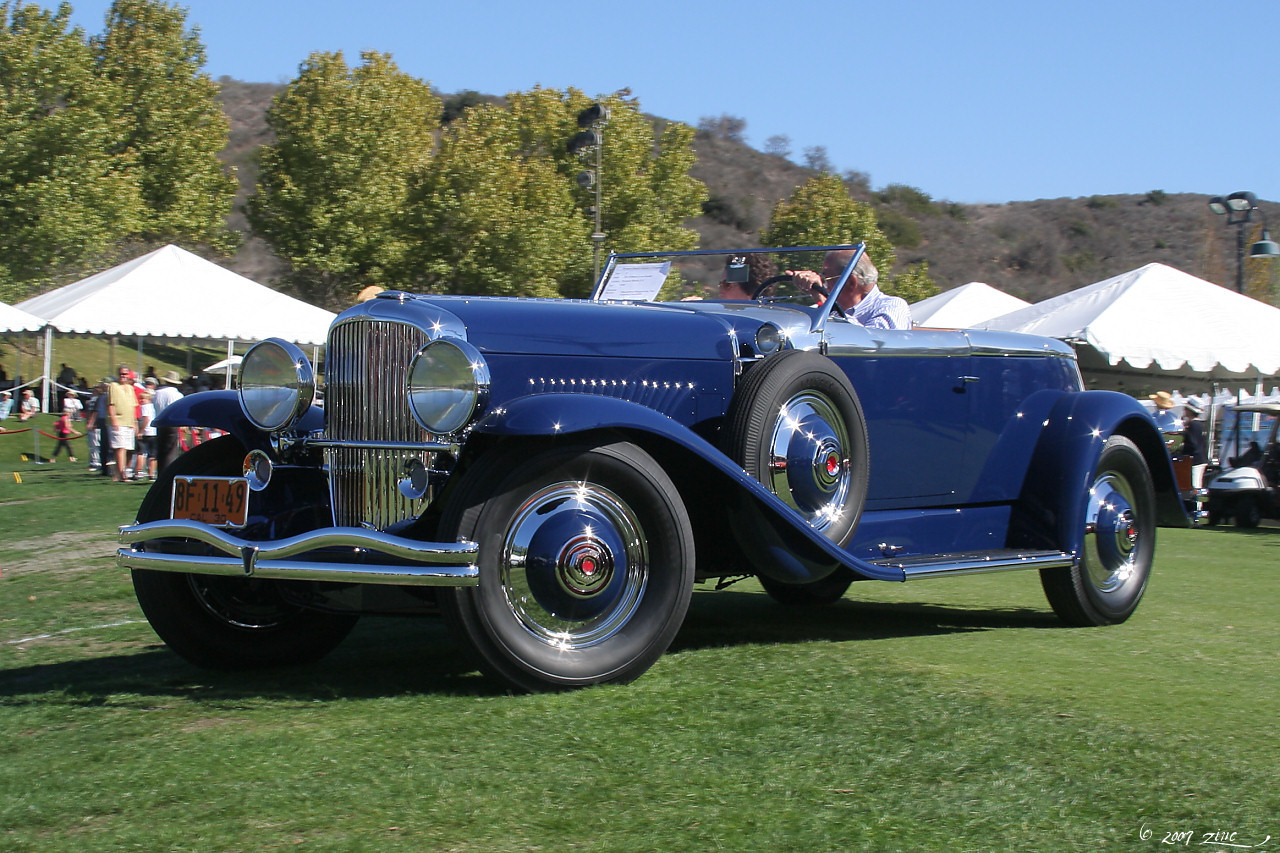 The Coachbuilt Age
Duesenberg Model J
American power and prestige
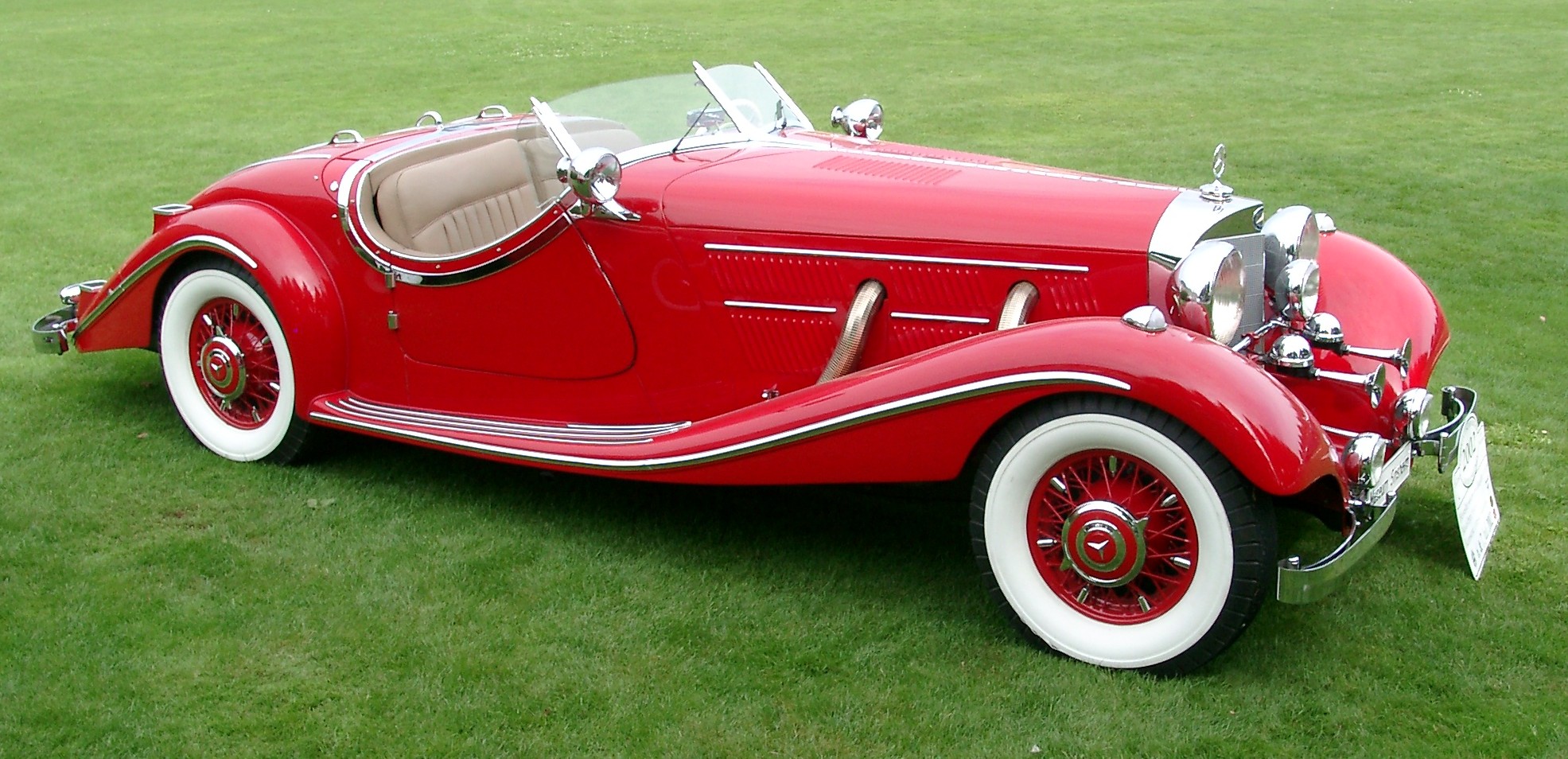 The Coachbuilt Age
Mercedes-Benz 540K
Supercharged grand luxury
 The Coachbuilt Age
Talbot-Lago T150-C SS
Coachwork as kinetic sculpture
The community view
What is your verdict on the Coachwork, Speed & Art Deco?
Vote, then add the perspective you think belongs in the record.
Published reader perspectives
The conversation is open. Approved reader perspectives will appear here.