1990–1999
Analog Performance Reaches Its Summit
Advanced materials meet the last great mechanical interfaces.
The whole story
The 1990s occupied a rare balance. Carbon fiber, computer-aided engineering and sophisticated engine management advanced quickly, but steering, gear selection and throttle response often remained mechanically direct. The decade's best cars feel modern in capability and old-world in communication.
What moved the automobile forward
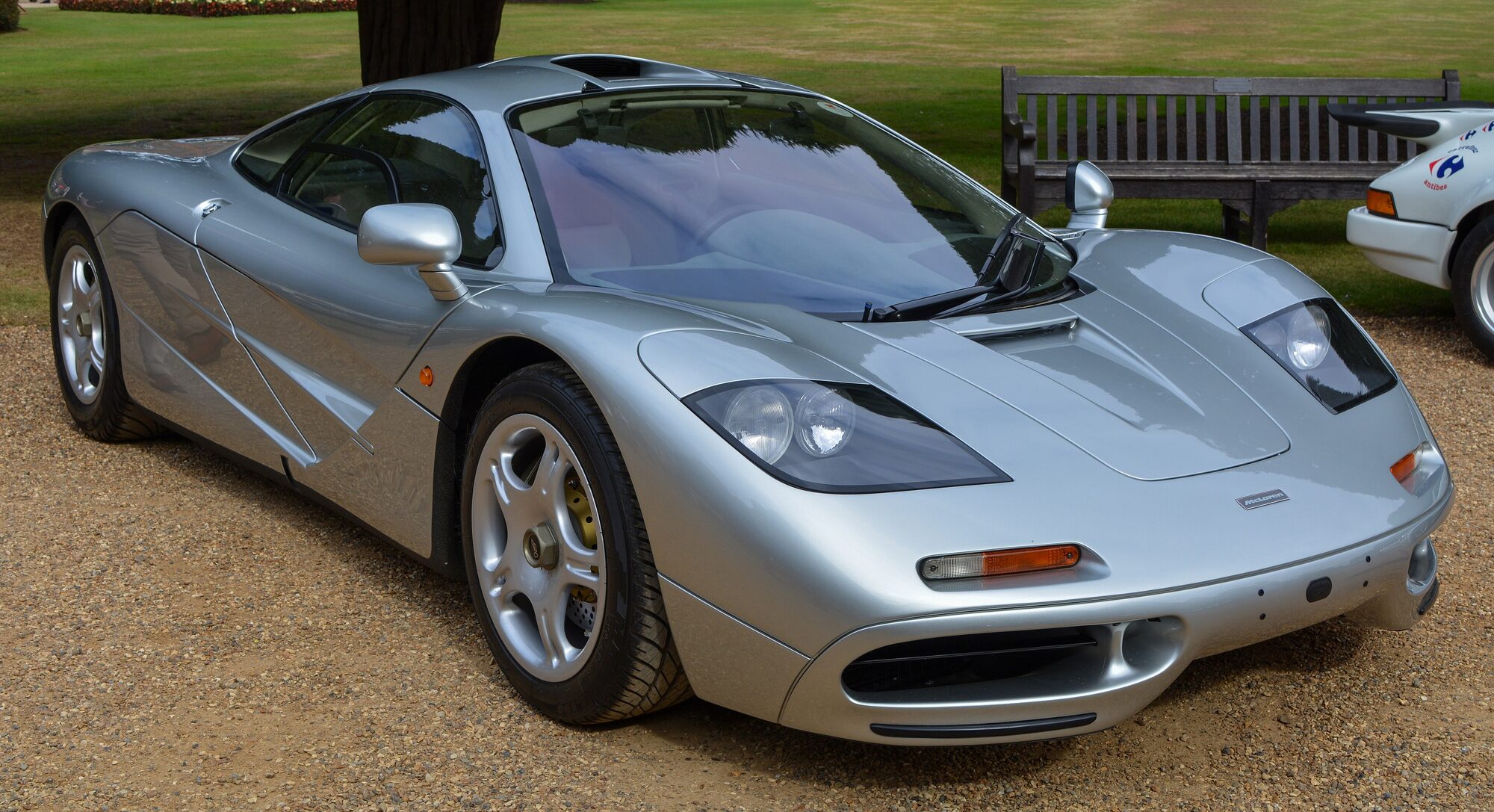
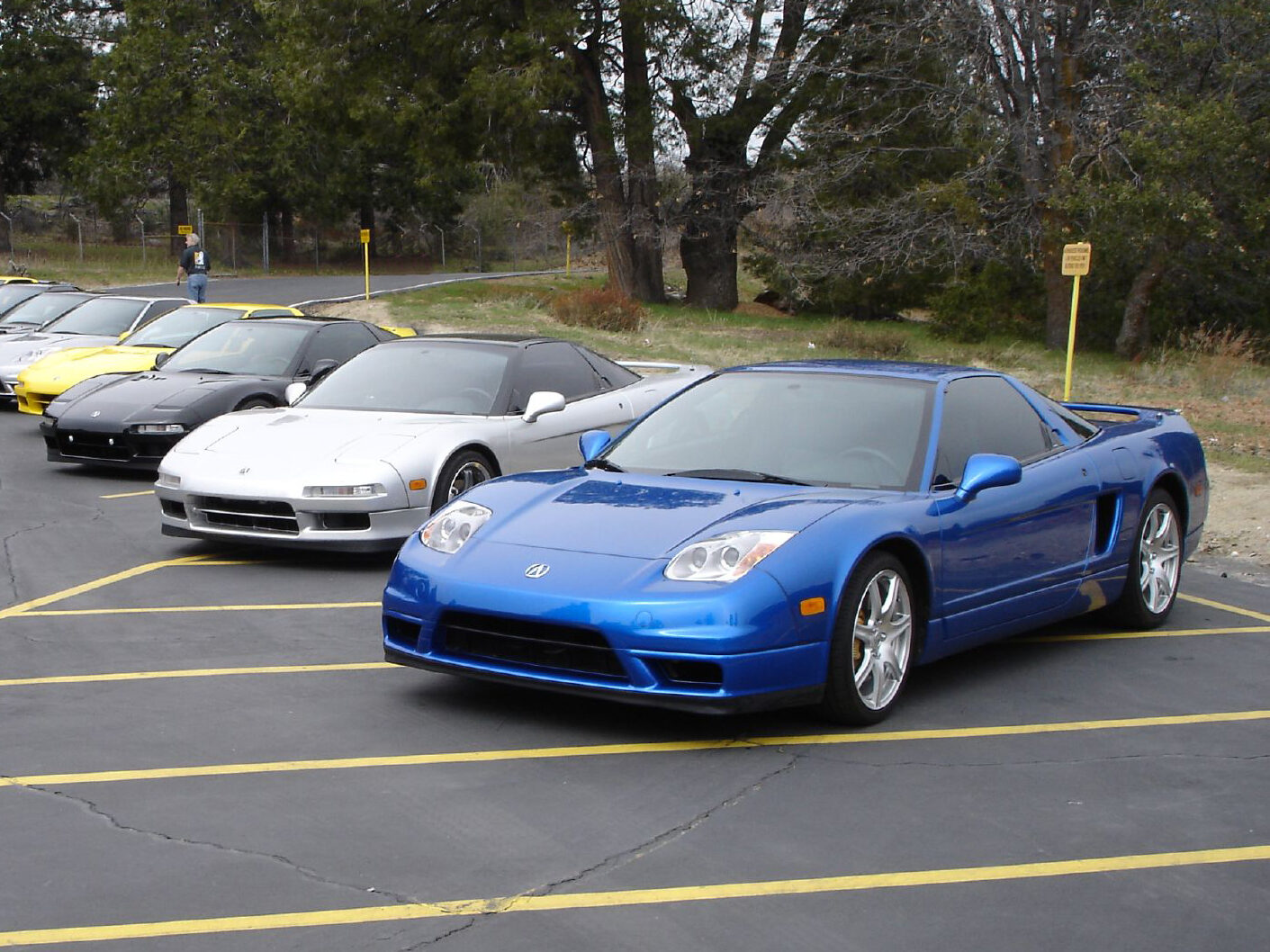
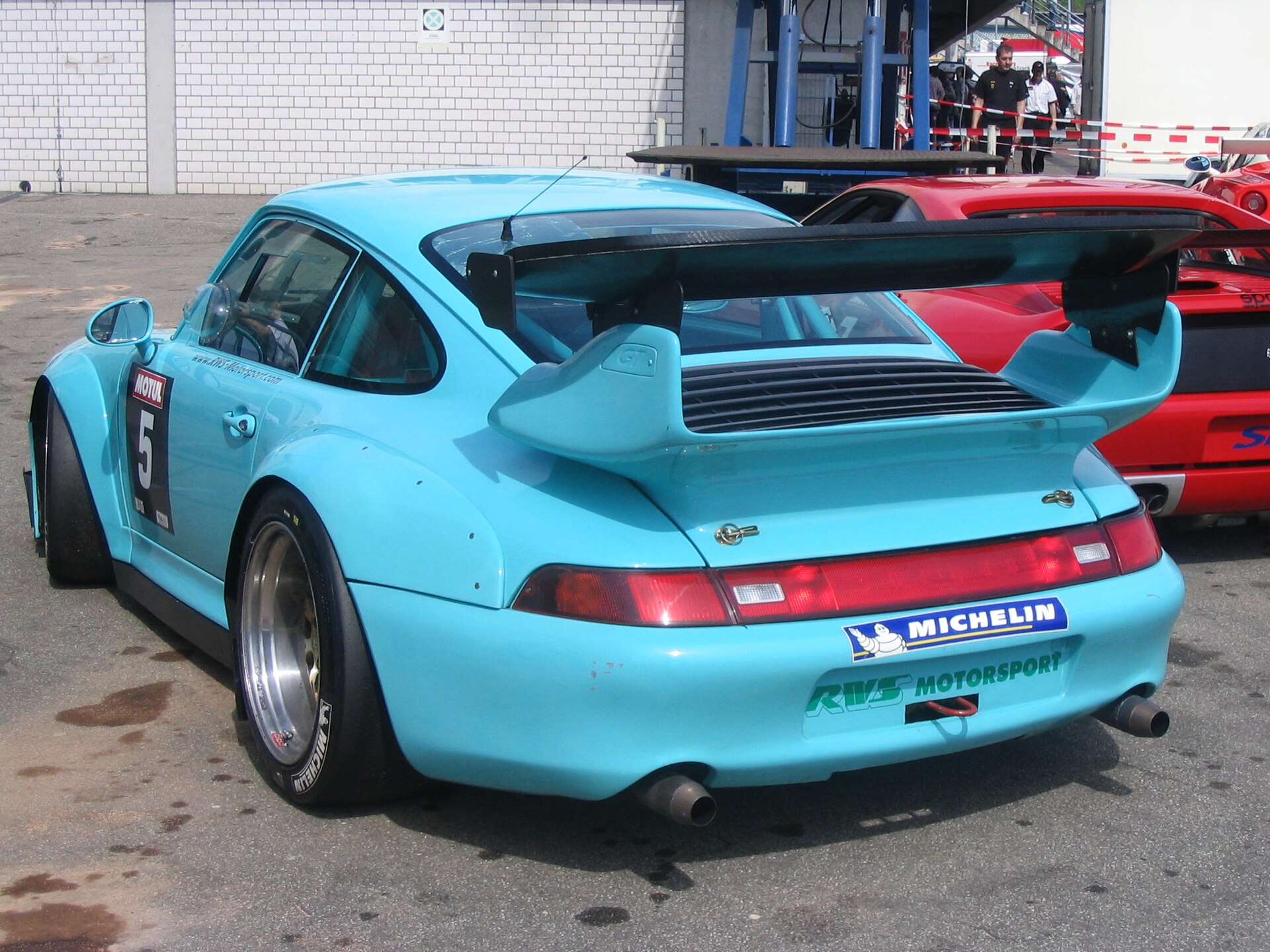
The McLaren F1 used a carbon monocoque and central seating without abandoning a manual gearbox or naturally aspirated engine. Honda made the mid-engine exotic dependable through the NSX, Porsche pushed the air-cooled 911 to its limit, and Japanese performance cars created durable platforms for an international tuning culture.
The reality behind the romance
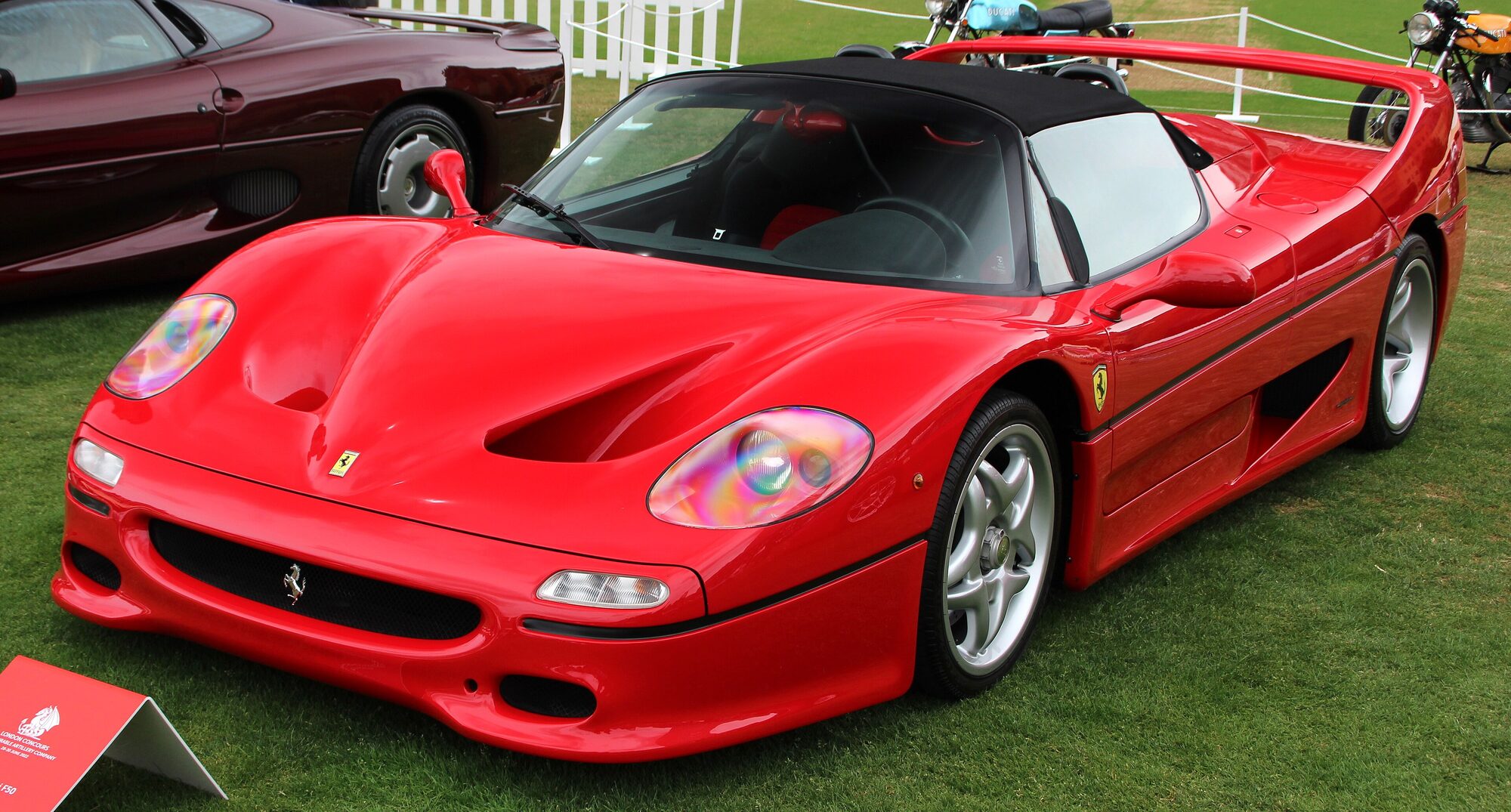
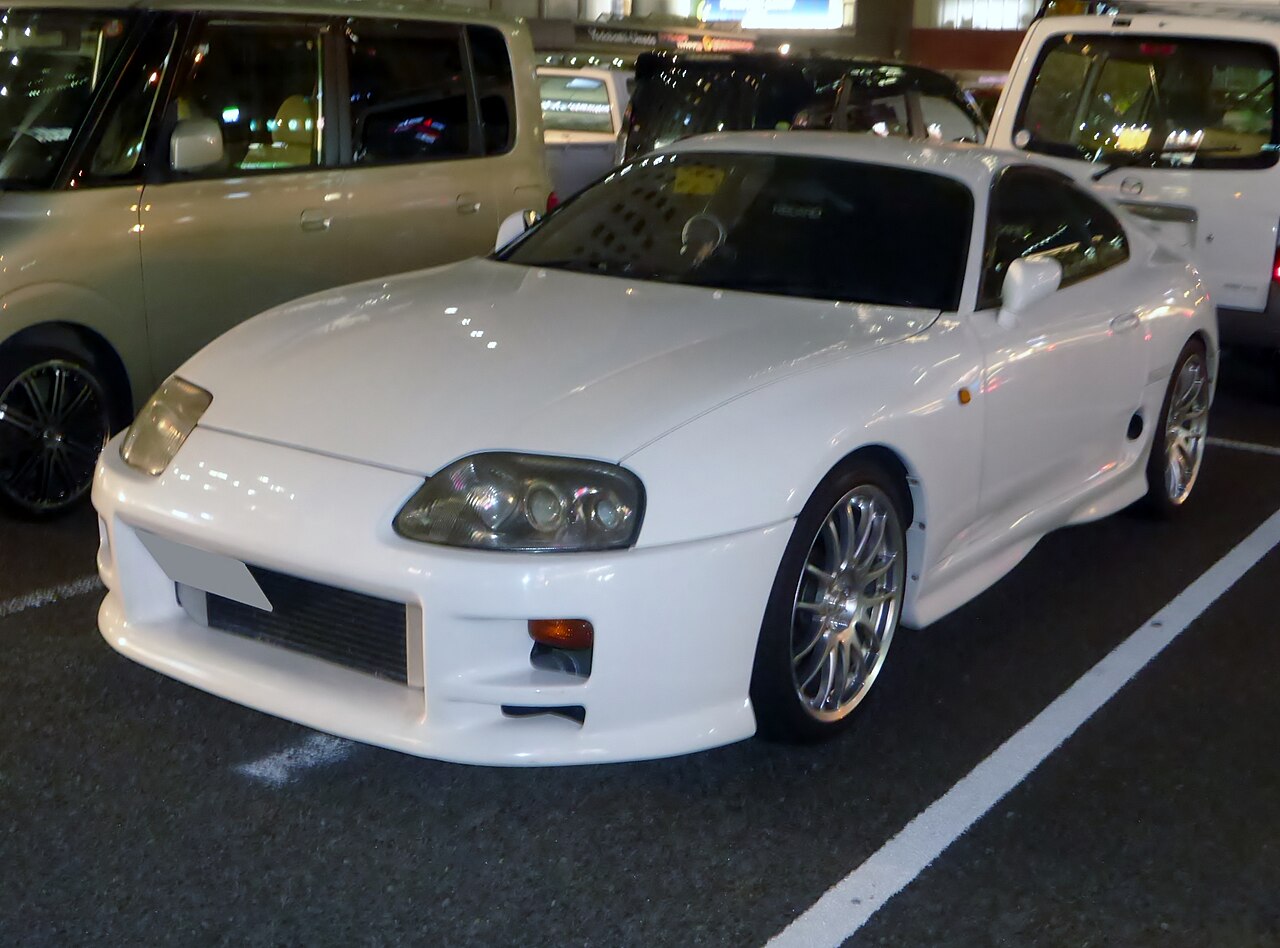
Not every acclaimed car was celebrated when new. The F50 lived in the F40's shadow, the NSX faced badge prejudice and the Supra became more famous modified than stock. Today's scarcity and auction values can flatten those complicated period reactions.
What the era left behind
The era became a benchmark precisely because its balance proved temporary. Later cars are faster and safer, but enthusiasts return to the 1990s for manageable dimensions, visible engineering and controls that place responsibility on the driver.
Defining advances
Carbon monocoques
Aluminum production bodies
Electronic engine management
Roadgoing homologation specials
Landmark automobiles
Touch any car to read its story.
 Analog Zenith
McLaren F1
The uncompromised road car
 Analog Zenith
Acura NSX
The exotic becomes usable
 Analog Zenith
Ferrari F50
Formula One theater for the road
 Analog Zenith
Porsche 993 GT2
Air-cooled aggression
 Analog Zenith
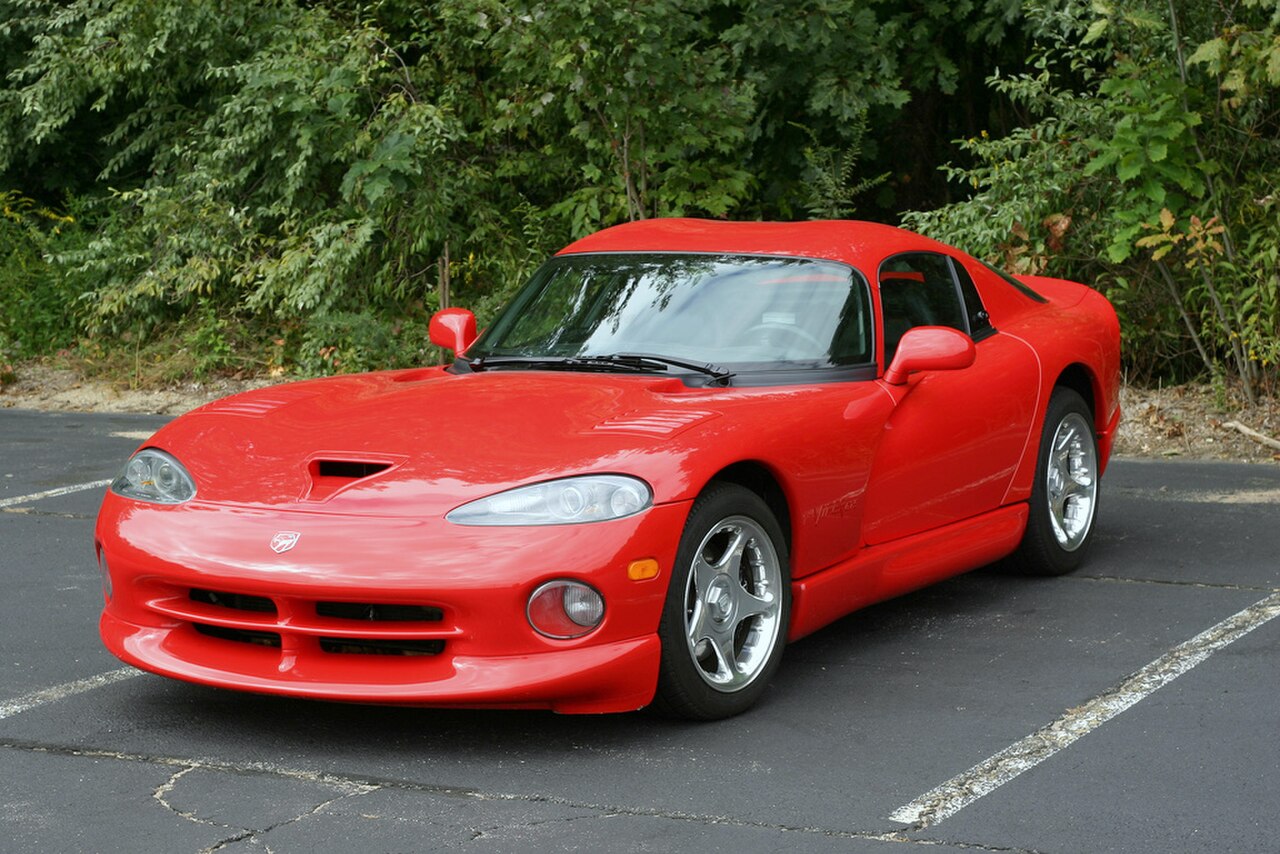
Dodge Viper GTS
The modern American brute
 Analog Zenith
Toyota Supra Turbo
An engineering cult hero
 Analog Zenith
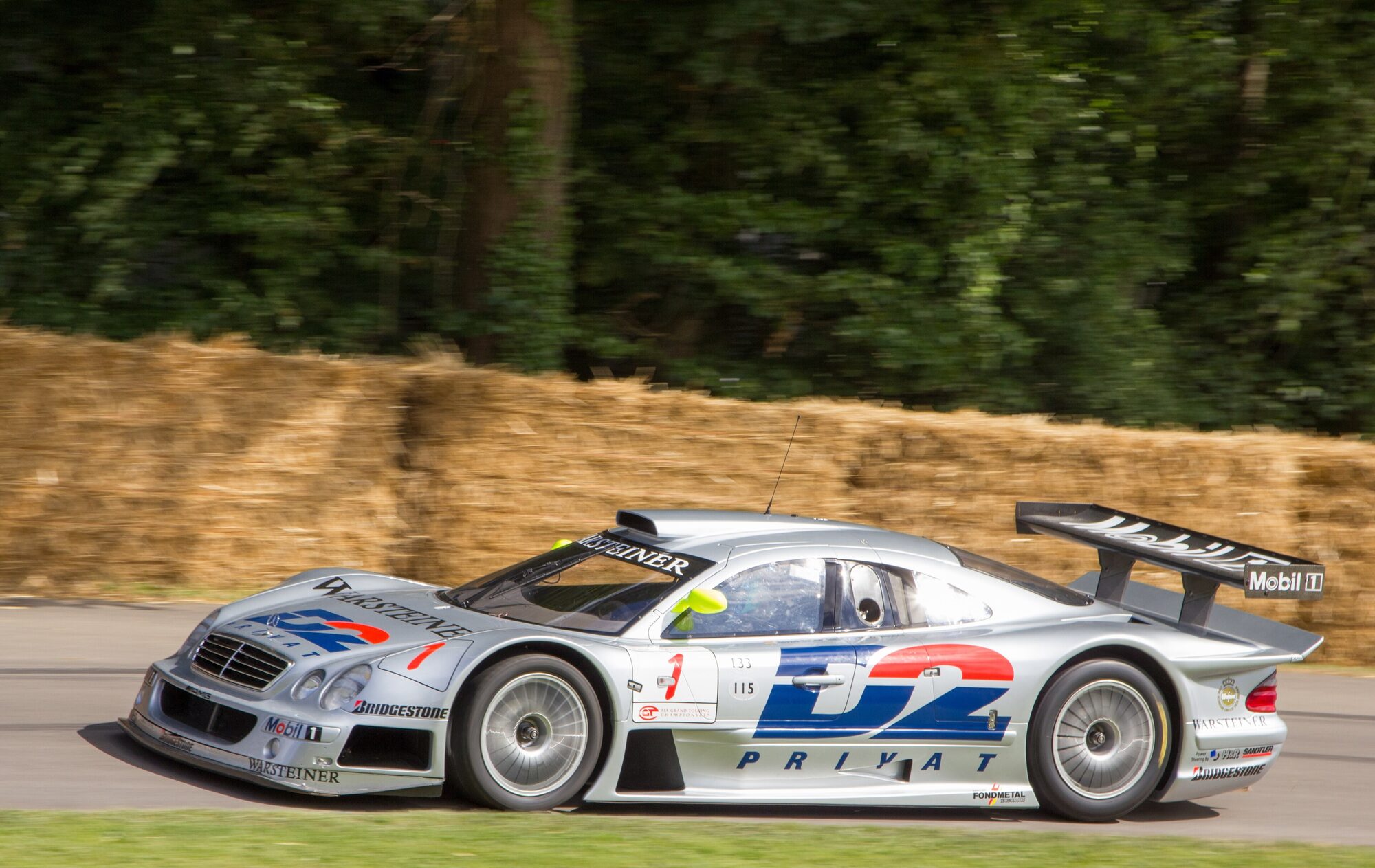
Mercedes-Benz CLK GTR
Homologation at its extreme
The community view
What is your verdict on the Analog Performance Reaches Its Summit?
Vote, then add the perspective you think belongs in the record.
Published reader perspectives
The conversation is open. Approved reader perspectives will appear here.